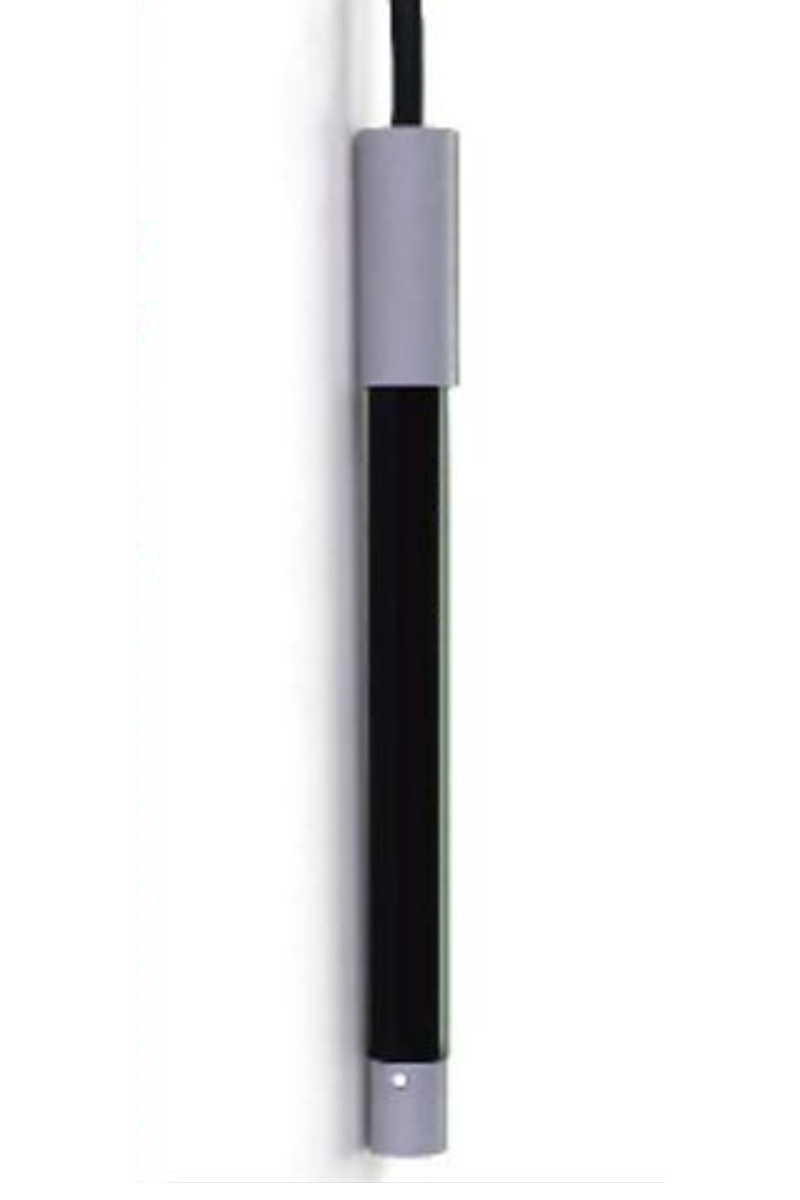
Ca-100 Calcium Ion-Selective Electrode
Ion-selective electrode for measuring calcium (Ca²⁺) concentration in water. Essential for water hardness monitoring, hydroponics, and industrial water treatment.
$559.99USD
Product Highlights
View all in Specifications tabOverview
The Ca-100 is a precision ion-selective electrode specifically designed for measuring calcium (Ca²⁺) concentration in water. Calcium is a critical parameter for water hardness assessment, boiler water treatment, hydroponic nutrient management, and various industrial processes. This sensor provides fast, accurate measurements essential for water quality control and plant nutrition.
Key Features
- High Selectivity: Specifically designed for calcium ion detection
- Wide Range: Measures from 0.4 to 40,000 mg/L (ppm)
- Digital Output: RS485 Modbus RTU for seamless integration with SCADA and IoT systems
- Fast Response: Results within 30 seconds
- Automatic Temperature Compensation: Integrated PT1000 sensor for accurate readings
- Direct Connection: Connect directly to computer or PLC without additional instrumentation
- High Protection: IP68 waterproof rating ensures reliable operation
Applications
- Water hardness monitoring
- Boiler feedwater treatment
- Cooling tower water management
- Hydroponic nutrient monitoring
- Greenhouse irrigation control
- Drinking water quality testing
- Industrial process water
- Wastewater treatment
- Desalination plant monitoring
- Swimming pool water balance
- Aquarium water quality
Technical Specifications
The Ca-100 delivers precise calcium measurements from 0.4 to 40,000 mg/L with automatic temperature compensation via the integrated PT1000 sensor. The ion-selective membrane provides exceptional selectivity for calcium ions, making it ideal for water hardness assessment and nutrient monitoring.
Understanding Calcium in Water
Calcium plays multiple important roles in water systems:
Water Hardness
- Soft Water: < 60 mg/L CaCO3
- Moderately Hard: 61-120 mg/L CaCO3
- Hard Water: 121-180 mg/L CaCO3
- Very Hard: > 180 mg/L CaCO3
Industrial Applications
- Boiler Water: Prevents scale formation
- Cooling Towers: Controls calcium carbonate precipitation
- Process Water: Affects product quality in many industries
- Water Softening: Monitoring softener efficiency
Plant Nutrition
- Cell Wall Structure: Essential component of cell walls
- Nutrient Transport: Facilitates nutrient uptake
- Root Development: Promotes healthy root growth
- Disease Resistance: Strengthens plant tissues
Typical Calcium Levels
- Drinking water: 10-100 mg/L
- Hard water: 100-300 mg/L
- Hydroponic solutions: 150-200 mg/L
- Greenhouse irrigation: 100-150 mg/L
- Boiler feedwater: < 2 mg/L (after treatment)
- Seawater: ~400 mg/L
Water Hardness Management
Calcium is the primary contributor to water hardness, which affects:
- Scale formation in pipes and equipment
- Soap and detergent effectiveness
- Boiler efficiency and safety
- Water heater lifespan
- Industrial process efficiency
Connectivity and Integration
The Ca-100 supports dual output for integration into water treatment and agricultural systems:
RS485 Modbus RTU:
- Connect to Agrinovo Omni Genesis or Exodus controllers for cloud-based calcium monitoring
- Multi-drop bus networking (up to 32 sensors per bus)
- Standard Modbus registers for Ca²⁺ concentration and temperature
- Compatible with SCADA, PLC, water softener controllers, and fertigation systems
RS485 Modbus RTU Output:
- Direct connection to water softener regeneration controllers
- Scalable output range mapped to measurement range
- Ideal for hardness-based dosing and softener breakthrough detection
Installation and Maintenance
Positioning: For water softening, install after the softener to detect calcium breakthrough. For hydroponics, install in the recirculating nutrient reservoir. Avoid locations where air bubbles or sediment could affect readings.
Calibration: Two-point calibration using CaCl2 standard solutions. For water treatment, calibrate at 50 mg/L and 300 mg/L. For hydroponics, calibrate at 100 mg/L and 400 mg/L. Recalibrate every 2-4 weeks.
Scaling Prevention: In hard water environments, clean the membrane surface regularly to prevent calcium carbonate scaling. Rinse with dilute HCl if deposits form, then rinse with deionized water.
Balancing with Other Ions
Calcium levels should be monitored alongside:
- Magnesium: Combined for total hardness
- Carbonate/Bicarbonate: Affects scale formation
- Sodium: Important for water softening
- Potassium: For hydroponic nutrient balance
Part of our IoT Aquaculture Monitoring System
See how our aquaculture sensors work together in a complete real-time water quality monitoring system for fish farming.
Related Products
Other solutions in the Ion Selective probes category