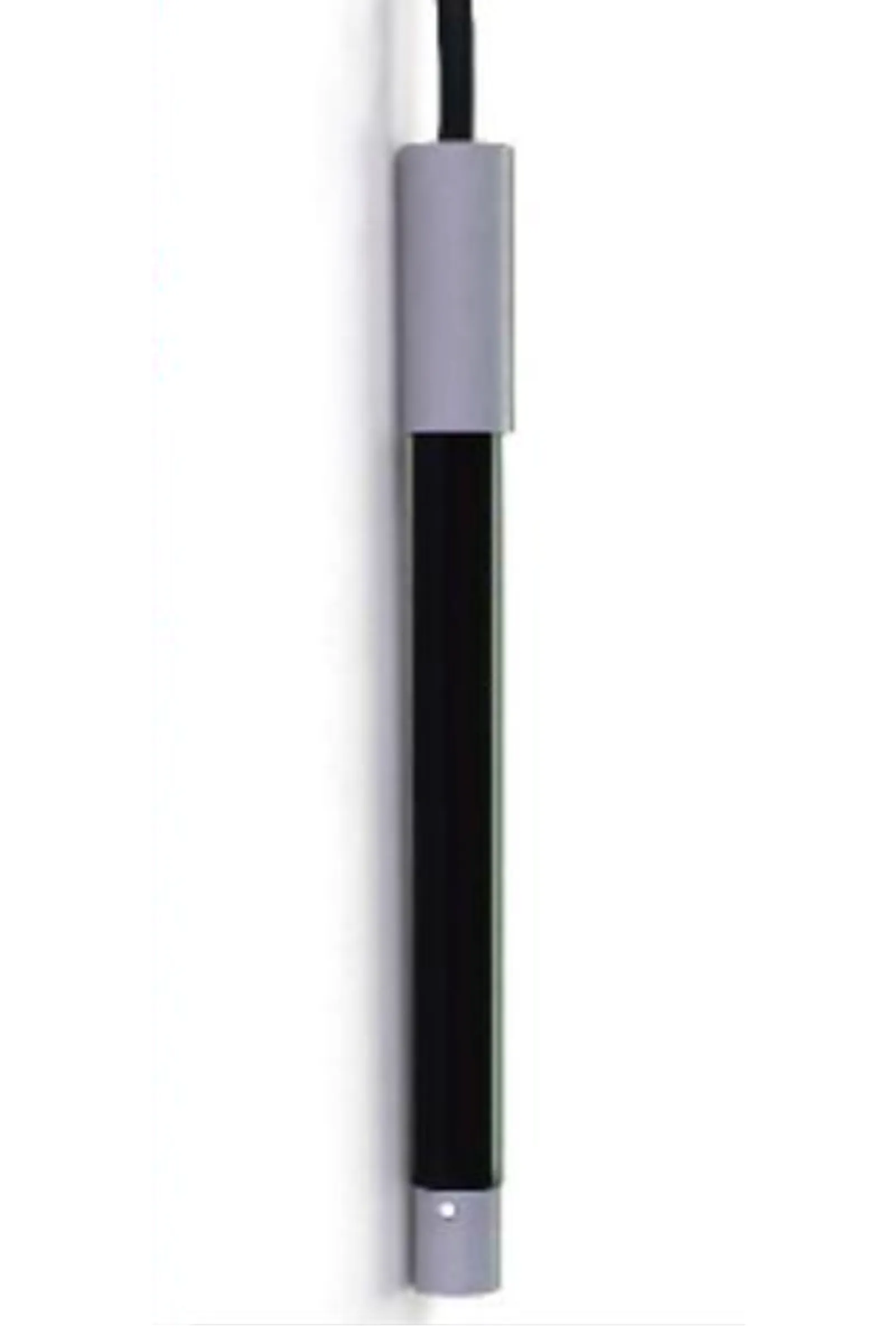
ClO2-100 Chlorine Dioxide Sensor
Chlorine dioxide (ClO2) sensor for water disinfection monitoring. RS485 output for drinking water and industrial use.
Contact for pricing
Product Highlights
View all in Specifications tabOverview
The ClO2-100 is an advanced sensor specifically designed for measuring chlorine dioxide (ClO2) concentration in water. Chlorine dioxide is an increasingly popular alternative disinfectant to chlorine, offering superior oxidation power without producing harmful trihalomethanes (THMs). This sensor is essential for drinking water treatment plants, food processing facilities, and industrial applications.
Key Features
- Wide Range: Measures from 0.00 to 20.00 mg/L (ppm), resolution 0.01 mg/L
- Digital Output: RS485 Modbus RTU for seamless integration with SCADA and IoT systems
- Automatic Temperature Compensation: Integrated TH10K thermistor for accurate readings
- pH Compensation: Built-in pH compensation for stable readings across varying water chemistry
- Two-Point Calibration: Zero and slope calibration with standard solutions
- Rugged Housing: PPS body with M20×1.5 or G3/4 mounting thread
Applications
- Drinking water disinfection monitoring
- Municipal water treatment plants
- Food and beverage processing
- Pharmaceutical water systems
- Cooling tower water treatment
- Hospital water systems
- Swimming pool and spa disinfection
- Wastewater treatment
- Industrial process water
- Odor control systems
Technical Specifications
The ClO2-100 delivers chlorine dioxide measurements from 0.00 to 20.00 mg/L at 0.01 mg/L resolution, with automatic temperature compensation via the integrated TH10K thermistor and built-in pH compensation. The electrochemical electrode communicates over RS485 Modbus RTU and supports two-point (zero and slope) calibration against standard solutions.
Understanding Chlorine Dioxide
Chlorine dioxide offers several advantages as a disinfectant:
- More Effective: Stronger oxidant than chlorine
- Safer Byproducts: Does not produce trihalomethanes (THMs) or haloacetic acids (HAAs)
- pH Independent: Effective across wide pH range (4-10)
- Biofilm Control: Superior penetration of biofilms
- Taste and Odor: Better control of taste and odor compounds
Typical ClO2 residuals:
- Drinking water: 0.1-0.8 mg/L
- Industrial applications: 0.5-5.0 mg/L
- Shock treatment: 5.0-20.0 mg/L
Connectivity and Integration
The ClO2-100 integrates into disinfection control systems over its RS485 Modbus RTU interface:
RS485 Modbus RTU:
- Connect to Agrinovo Omni Genesis or Exodus controllers for cloud-based ClO2 monitoring
- Multi-drop bus networking with configurable device address (1-247)
- Standard Modbus registers for ClO2 concentration, electrode signal, and temperature
- Compatible with SCADA, PLC, and water treatment plant automation systems
- Feedback for ClO2 generator dosing control to maintain target residual levels
IoT Integration:
- Pair with Omni Genesis/Exodus for remote disinfection monitoring
- Set automated alerts for under-dosing or over-dosing conditions
- Historical data logging for regulatory compliance documentation
- Integrate with ClO2 generator controls for automated dosing
Installation and Maintenance
Positioning: Install downstream of the ClO2 injection point, after adequate contact time and mixing. For distribution systems, install at representative points in the network. Avoid locations with stagnant water or air pockets that could trap ClO2 gas.
Calibration: Two-point calibration (zero and slope) using freshly prepared ClO2 standards. Calibrate at 0.2 mg/L and 2.0 mg/L for drinking water applications. ClO2 standards degrade quickly, prepare fresh before each calibration. Recalibrate every 1-2 weeks.
Electrode Care: Inspect the sensing electrode monthly. Clean with deionized water to remove deposits. Re-calibrate when the reading drifts or calibration stability degrades.
Safety Considerations
Chlorine dioxide monitoring is critical for maintaining safe and effective disinfection:
- Under-dosing: Inadequate pathogen inactivation, potential health risks
- Over-dosing: Chlorite byproduct formation (EPA MCL: 1.0 mg/L), taste and odor complaints
- Maximum Residual: EPA MRDL for ClO2 is 0.8 mg/L in drinking water
- Contact Time: Adequate CT values required for disinfection credit
Part of our IoT Aquaculture Monitoring System
See how our aquaculture sensors work together in a complete real-time water quality monitoring system for fish farming.
Related Products
Other solutions in the Ion Selective probes category