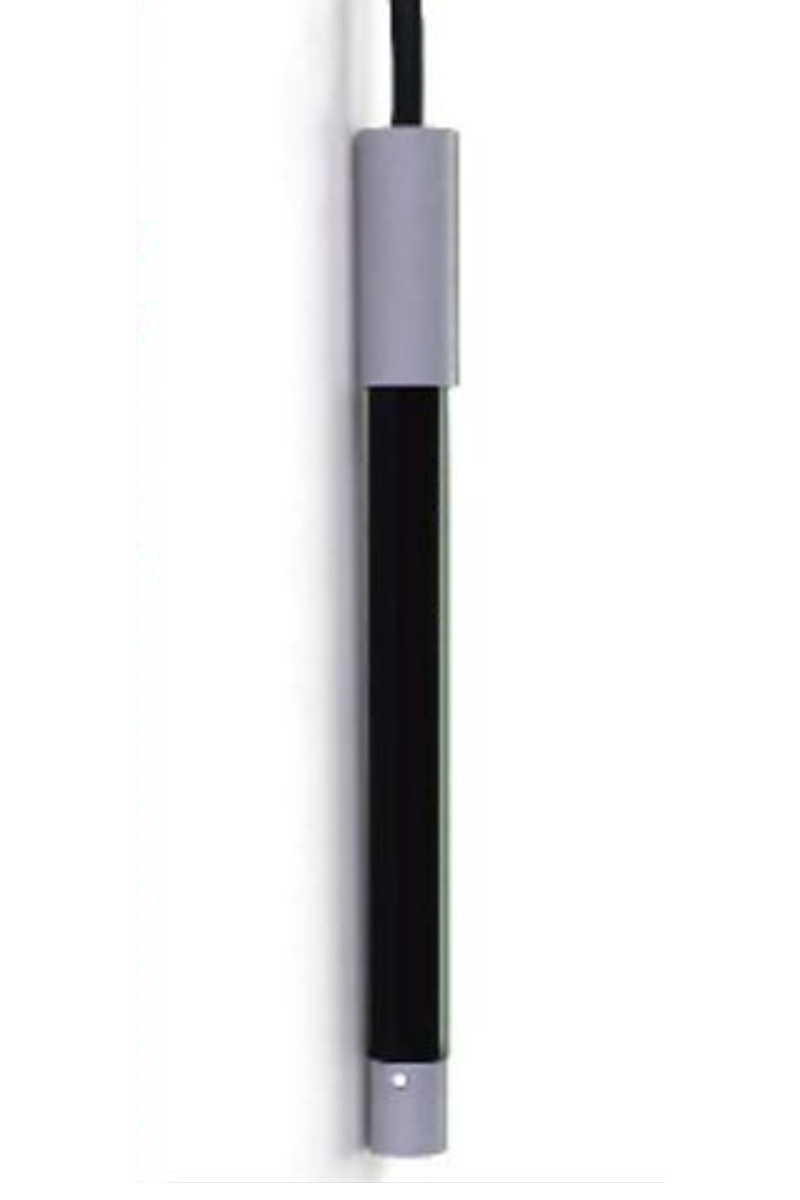
CLO-100 Perchlorate Ion-Selective Electrode
Ion-selective electrode for measuring perchlorate (ClO4⁻) concentration in water. Critical for drinking water safety, defense industry monitoring, and environmental remediation.
Product Highlights
View all in Specifications tabOverview
The CLO-100 is a precision ion-selective electrode specifically designed for measuring perchlorate (ClO4⁻) concentration in water. Perchlorate monitoring is critical for protecting drinking water supplies, monitoring defense and aerospace industry sites, and managing environmental remediation projects. This sensor provides fast, accurate measurements essential for regulatory compliance and public health protection.
Key Features
- High Selectivity: Specifically designed for perchlorate ion detection
- Wide Range: Measures from 0.1 to 10,000 mg/L (ppm)
- Dual Output Options: Supports both RS485 Modbus RTU and 4-20mA current output
- Fast Response: Results within 60 seconds
- Automatic Temperature Compensation: Integrated PT1000 sensor for accurate readings
- Direct Connection: Connect directly to computer or PLC without additional instrumentation
- High Protection: IP68 waterproof rating ensures reliable operation
Applications
- Drinking water quality monitoring
- Groundwater contamination assessment
- Defense and aerospace facility monitoring
- Rocket propellant site remediation
- Fireworks and explosives manufacturing
- Environmental remediation projects
- Regulatory compliance testing
- Treatment system optimization
- Agricultural water monitoring
- Research and laboratory analysis
Technical Specifications
The CLO-100 delivers precise perchlorate measurements from 0.1 to 10,000 mg/L with automatic temperature compensation via the integrated PT1000 sensor. The ion-selective membrane provides exceptional selectivity for perchlorate ions, enabling detection of this emerging contaminant of concern.
Understanding Perchlorate Contamination
Perchlorate is an emerging contaminant with significant health and environmental concerns:
Health Effects
- Thyroid Disruption: Interferes with iodine uptake
- Hormone Production: Affects thyroid hormone synthesis
- Vulnerable Groups: Fetuses, infants, pregnant women at highest risk
- Developmental: Can affect fetal and infant brain development
- Widespread: Found in many water supplies nationwide
Sources of Perchlorate
- Rocket Propellant: Historical aerospace and defense sites
- Fireworks: Manufacturing and use areas
- Explosives: Military and commercial production
- Flares and Matches: Manufacturing facilities
- Fertilizers: Chilean nitrate fertilizers
- Natural Deposits: Some arid regions
Regulatory Status
- EPA Reference Dose: 0.7 μg/kg-day
- California MCL: 6 μg/L (0.006 mg/L)
- Massachusetts MCL: 2 μg/L (0.002 mg/L)
- Federal Standard: EPA monitoring required
- Emerging Contaminant: Subject to evolving regulations
Environmental Monitoring
Perchlorate monitoring is essential for:
Site Assessment
- Contamination Mapping: Delineating plume extent
- Source Identification: Pinpointing contamination origins
- Migration Tracking: Monitoring plume movement
- Exposure Assessment: Evaluating health risks
Remediation
- Treatment Effectiveness: Monitoring cleanup progress
- Technology Optimization: Improving removal efficiency
- Compliance Verification: Demonstrating cleanup success
- Long-term Monitoring: Ensuring sustained treatment
Treatment Technologies
Common perchlorate removal methods:
- Ion Exchange: Selective perchlorate removal resins
- Biological Treatment: Bacterial reduction to chloride
- Reverse Osmosis: Physical removal by membrane
- Activated Carbon: Some effectiveness for removal
Typical Perchlorate Levels
- Background levels: < 1 μg/L
- Drinking water guideline: < 6 μg/L (California)
- Contaminated groundwater: 10-10,000 μg/L
- Industrial sites: Can exceed 10,000 μg/L (10 mg/L)
- Rocket propellant: High mg/L to g/L levels
- Agricultural areas: Variable from fertilizer use
Defense and Aerospace Sites
Perchlorate is common at historical sites:
- Rocket Testing: Propellant spills and washdown
- Munitions Plants: Explosive manufacturing residues
- Military Bases: Various perchlorate uses
- Cleanup Priority: EPA Superfund concerns
Agricultural Impact
Perchlorate in irrigation water affects:
- Crop Uptake: Accumulates in leafy vegetables
- Food Safety: Can contaminate food supply
- Dairy Products: Concentrates in milk
- Monitoring Need: Testing irrigation sources
Connectivity and Integration
With its RS485 Modbus RTU interface, the CLO-100 seamlessly integrates into modern SCADA systems, environmental monitoring networks, and remediation system controllers. The 4-20mA current output option ensures compatibility with traditional controllers and alarm systems.
Installation and Maintenance
The CLO-100 requires regular calibration with standard perchlorate solutions for optimal accuracy. The sensor should be cleaned periodically and stored properly when not in use. The robust IP68-rated construction allows for continuous immersion in groundwater monitoring and treatment systems.
Public Health Priority
Perchlorate monitoring protects public health:
- Detects contamination before widespread exposure
- Enables targeted remediation efforts
- Ensures drinking water safety
- Supports regulatory compliance
- Prevents thyroid-related health impacts
Related Products
Other solutions in the Ion Selective probes category