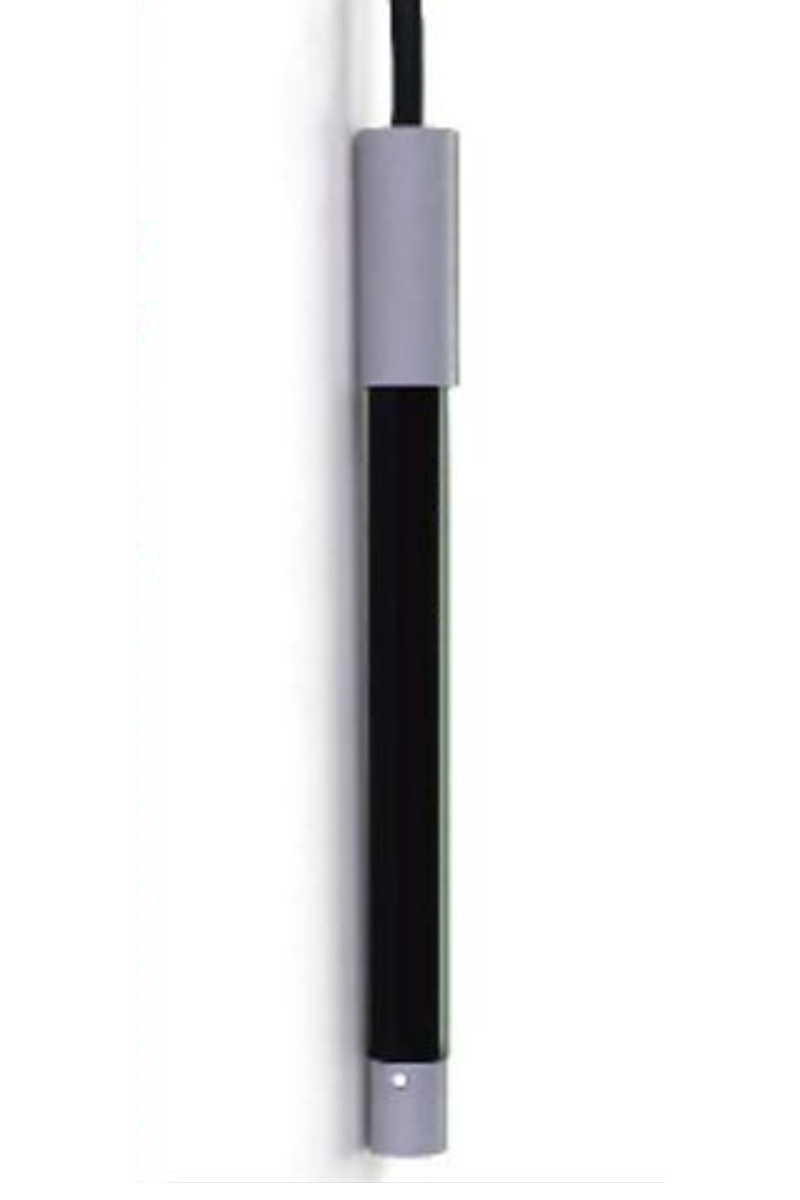
CO2-100 Dissolved Carbon Dioxide Sensor - Gas-Sensing Electrode, RS485 Modbus RTU
Measure dissolved CO2 in water from 0.5-5,000 mg/L with auto temperature compensation. RS485 Modbus RTU output, IP68 rated. For RAS aquaculture, beverage production, and water treatment.
$559.99USD
Product Highlights
View all in Specifications tabOverview
The CO2-100 is an advanced gas-sensing electrode specifically designed for measuring dissolved carbon dioxide (CO2) in water. This sensor is essential for applications where CO2 levels significantly impact product quality, organism health, or process efficiency, including aquaculture, beverage production, biogas plants, and pharmaceutical manufacturing.
Key Features
- Gas-Sensing Technology: Measures dissolved CO2 directly in water
- Wide Range: Measures from 0.5 to 5,000 mg/L (ppm)
- Digital Output: RS485 Modbus RTU for seamless integration with SCADA and IoT systems
- Fast Response: Results within 90 seconds
- Automatic Temperature Compensation: Integrated PT1000 sensor for accurate readings
- Direct Connection: Connect directly to computer or PLC without additional instrumentation
- High Protection: IP68 waterproof rating ensures reliable operation
Applications
- Aquaculture and fish farming
- Shrimp and crustacean farming
- Beverage carbonation monitoring
- Brewery fermentation control
- Wine production
- Soft drink manufacturing
- Biogas production monitoring
- Anaerobic digestion processes
- Pharmaceutical fermentation
- Cell culture and bioreactors
- Water treatment plants
- Swimming pool water quality
Technical Specifications
The CO2-100 delivers precise dissolved CO2 measurements from 0.5 to 5,000 mg/L with automatic temperature compensation via the integrated PT1000 sensor. The gas-sensing membrane selectively detects CO2 molecules that diffuse across the membrane, providing accurate measurements independent of other dissolved gases.
Understanding Dissolved CO2
Carbon dioxide in water is important for several reasons:
Aquaculture
- Fish Health: Elevated CO2 (>20 mg/L) can stress fish and reduce oxygen uptake
- pH Impact: CO2 forms carbonic acid, lowering pH
- Water Quality: Indicator of organic load and respiration rates
Beverage Industry
- Carbonation Levels: Critical for product consistency and taste
- Fermentation Monitoring: Tracking CO2 production during brewing
- Quality Control: Ensuring proper carbonation in finished products
Bioprocessing
- Fermentation Control: Monitoring microbial activity
- Cell Culture: Maintaining optimal CO2 for cell growth
- Process Optimization: Maximizing productivity
pH and Temperature Effects
CO2 solubility is affected by:
- Temperature: Higher temperature reduces CO2 solubility
- Pressure: Higher pressure increases CO2 solubility
- pH: CO2 affects water pH and exists in equilibrium with bicarbonate and carbonate
The CO2-100’s automatic temperature compensation ensures accurate measurements across varying conditions.
Connectivity and Integration
The CO2-100 supports dual output for flexible integration across aquaculture, beverage, and bioprocess systems:
RS485 Modbus RTU:
- Connect to Agrinovo Omni Genesis or Exodus controllers for cloud-based CO2 monitoring
- Multi-drop bus networking (up to 32 sensors per bus)
- Standard Modbus registers for CO2 concentration and temperature
- Compatible with SCADA, PLC, brewery automation, and fermentation control systems
RS485 Modbus RTU Output:
- Direct connection to aeration controllers and ventilation systems
- Scalable output range mapped to measurement range
- Ideal for CO2-triggered aeration or degassing control in aquaculture
IoT Integration:
- Pair with Omni Genesis/Exodus for automated CO2 alerts and trend logging
- Trigger emergency aeration when CO2 exceeds safe thresholds in fish tanks
- Monitor fermentation progress remotely in beverage production
- Historical data analysis for process optimization
Installation and Maintenance
Positioning: Install in a representative flow area where CO2 levels reflect actual conditions. In aquaculture, position away from aeration diffusers (which artificially lower local CO2). In fermentation vessels, install below the liquid surface in a well-mixed zone.
Calibration: Two-point calibration using CO2 reference solutions or gas standards. For aquaculture, calibrate at 5 mg/L and 30 mg/L. For beverage applications, calibrate at higher ranges appropriate for carbonation monitoring. Recalibrate every 2-4 weeks.
Membrane Care: The gas-permeable membrane is the key sensing element. Clean monthly to remove biofilm and organic deposits. Replace the membrane cap when response time degrades or calibration slopes decline. Membrane life depends on water quality and fouling conditions.
Typical CO2 Levels
- Natural freshwater: 0.5-2 mg/L
- Aquaculture (safe): < 10-15 mg/L
- Aquaculture (stress level): > 20 mg/L
- Carbonated beverages: 3,000-4,000 mg/L
- Beer: 4,500-5,000 mg/L
Part of our IoT Aquaculture Monitoring System
See how our aquaculture sensors work together in a complete real-time water quality monitoring system for fish farming.
Related Products
Other solutions in the Ion Selective probes category