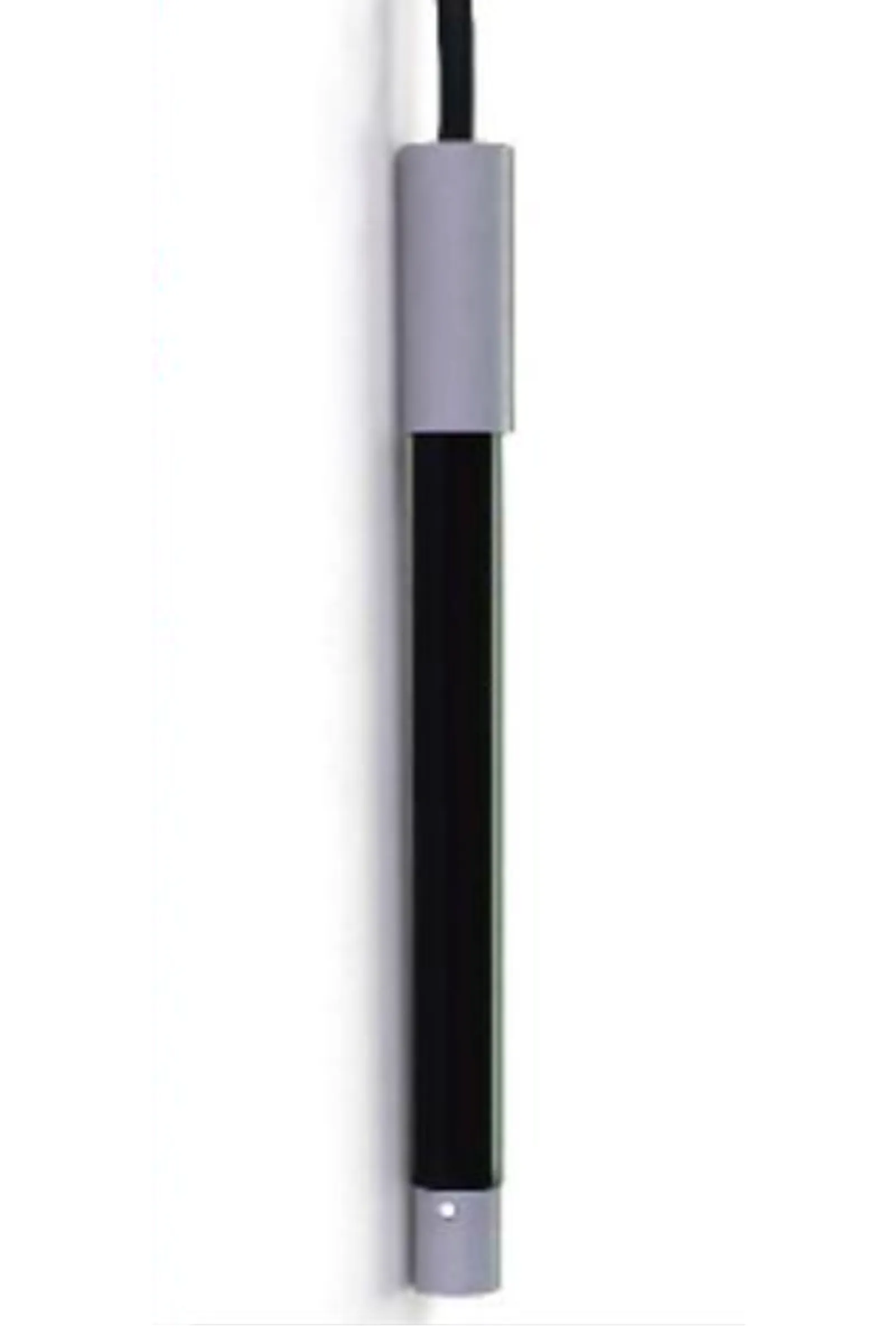
NH3-100 Ammonia Ion Selective Electrode
Ion selective electrode for measuring dissolved ammonia (NH3) in water. Essential for aquaculture, wastewater treatment, and industrial applications.
This product has been discontinued and is no longer available for purchase.
Product Highlights
View all in Specifications tabOverview
The NH3-100 is an advanced ion selective electrode specifically designed for measuring dissolved ammonia (NH3) in water. The probe uses an ISE membrane to measure the ammonia/ammonium ion, making it well suited to aquaculture, wastewater treatment, and environmental monitoring.
Key Features
- Ion Selective Technology: Measures dissolved ammonia (NH3) via an ISE membrane
- Wide Range: Measures from 0.2 to 1,000 ppm
- Digital Output: RS485 Modbus RTU for seamless integration with SCADA and IoT systems
- Automatic Temperature Compensation: Integrated NTC10K sensor for accurate readings
- Direct Connection: Connect directly to computer or PLC without additional instrumentation
Applications
- Aquaculture and fish farming
- Shrimp farming systems
- Wastewater treatment plants
- Industrial effluent monitoring
- Environmental water testing
- Hydroponic systems
- Biogas production
- Agricultural runoff assessment
- Drinking water source monitoring
- Laboratory analysis
Technical Specifications
The NH3-100 delivers precise dissolved ammonia measurements from 0.2 to 1,000 ppm with automatic temperature compensation. The ion selective membrane responds to the ammonia/ammonium ion in solution, providing a continuous reading of total ammonia for process monitoring and control.
Understanding Ammonia vs. Ammonium
In water, total ammonia nitrogen (TAN) exists in two forms:
- NH3 (Ammonia): Un-ionized form, highly toxic to fish and aquatic organisms
- NH4⁺ (Ammonium): Ionized form, significantly less toxic
The ratio between these forms depends on pH and temperature:
- At pH 7.0, 25°C: ~0.6% exists as toxic NH3
- At pH 8.0, 25°C: ~5.4% exists as toxic NH3
- At pH 9.0, 25°C: ~36% exists as toxic NH3
Higher pH and higher temperature both shift the equilibrium toward the toxic NH3 form. The NH3-100 specifically measures this dangerous fraction, making it critical for aquaculture operations where pH can fluctuate.
Ammonia Toxicity Thresholds in Aquaculture
Understanding NH3 limits is essential for preventing fish kills:
Freshwater Fish:
- Safe: < 0.02 mg/L NH3
- Stress onset: 0.02 - 0.05 mg/L NH3
- Sublethal effects: 0.05 - 0.2 mg/L NH3 (reduced growth, immune suppression)
- Lethal: > 0.2 mg/L NH3 (species-dependent)
Shrimp (Penaeus/Litopenaeus):
- Safe: < 0.1 mg/L NH3
- Chronic stress: 0.1 - 0.5 mg/L NH3
- Acute toxicity: > 1.0 mg/L NH3
Salmonids (trout, salmon):
- Safe: < 0.012 mg/L NH3 (most sensitive species)
- EU regulatory limit: 0.025 mg/L NH3
The NH3-100’s 0.2 to 1,000 ppm range and 0.01 ppm resolution support monitoring before concentrations reach damaging levels.
pH and Temperature Effects on Ammonia Toxicity
The fraction of toxic NH3 increases dramatically with pH and temperature:
| pH | 15°C | 20°C | 25°C | 30°C |
|---|---|---|---|---|
| 7.0 | 0.3% | 0.4% | 0.6% | 0.8% |
| 7.5 | 0.9% | 1.2% | 1.7% | 2.5% |
| 8.0 | 2.8% | 3.8% | 5.4% | 7.5% |
| 8.5 | 8.5% | 11.2% | 15.3% | 20.3% |
| 9.0 | 22.8% | 28.4% | 36.3% | 42.5% |
This table shows why continuous NH3 monitoring is essential - a small pH increase can multiply the toxic ammonia concentration several times.
Ammonia Sources in Aquaculture Systems
Common ammonia sources that the NH3-100 helps you track:
- Fish metabolism: Ammonia excreted through gills and urine (primary source)
- Uneaten feed: Decomposing feed releases nitrogen compounds
- Dead organisms: Decaying fish, algae, and organic matter
- Biofilter failure: Nitrifying bacteria disruption in RAS systems
- Overfeeding: Excess protein increases ammonia production
- Overcrowding: Higher biomass density increases ammonia load
Installation and Calibration
The NH3-100 is designed for continuous inline monitoring or portable spot-checking:
Mounting: Submersible probe. Install in a representative flow area, avoiding dead zones and air pockets. The sensor should be positioned where water circulates naturally past the ISE membrane.
Calibration: Up to 5-point calibration with standard solutions of 0.1, 1, 10, 100 and 1000 ppm; at least two points are required before the sensor reports concentration.
Maintenance: Clean the ISE membrane periodically to prevent biofilm buildup. Inspect the membrane for damage or clogging. Replace the membrane cap according to the maintenance schedule.
Connectivity and Integration
The NH3-100 supports dual output for flexible system integration:
RS485 Modbus RTU:
- Connect to Agrinovo Omni Genesis or Exodus controllers
- Multi-drop bus networking (up to 32 sensors per bus)
- Standard Modbus registers for ammonia concentration and temperature
- Compatible with SCADA, PLC, and IoT gateway systems
RS485 Modbus RTU Output:
- Direct connection to traditional controllers and data loggers
- Scalable output range mapped to measurement range
- Loop-powered or externally powered configurations
IoT Integration:
- Pair with Omni Genesis/Exodus for cloud-based ammonia monitoring
- Set automated alerts when NH3 exceeds safe thresholds
- Log historical data for trend analysis and regulatory reporting
- Trigger aeration, water exchange, or feeding adjustments automatically
Complementary Monitoring
For comprehensive nitrogen cycle management, pair the NH3-100 with:
- NH4-100: Monitor total ammonium for complete nitrogen tracking
- pH sensor (PH-100): pH directly affects NH3/NH4⁺ ratio
- DO sensor (DO-100): Oxygen levels affect nitrification efficiency
- Temperature probe: Temperature affects both toxicity and bacterial activity
- NO2-100 / NO3-100: Track nitrite and nitrate for full nitrification monitoring
Part of our IoT Aquaculture Monitoring System
See how our aquaculture sensors work together in a complete real-time water quality monitoring system for fish farming.
Related Products
Other solutions in the Ion Selective probes category