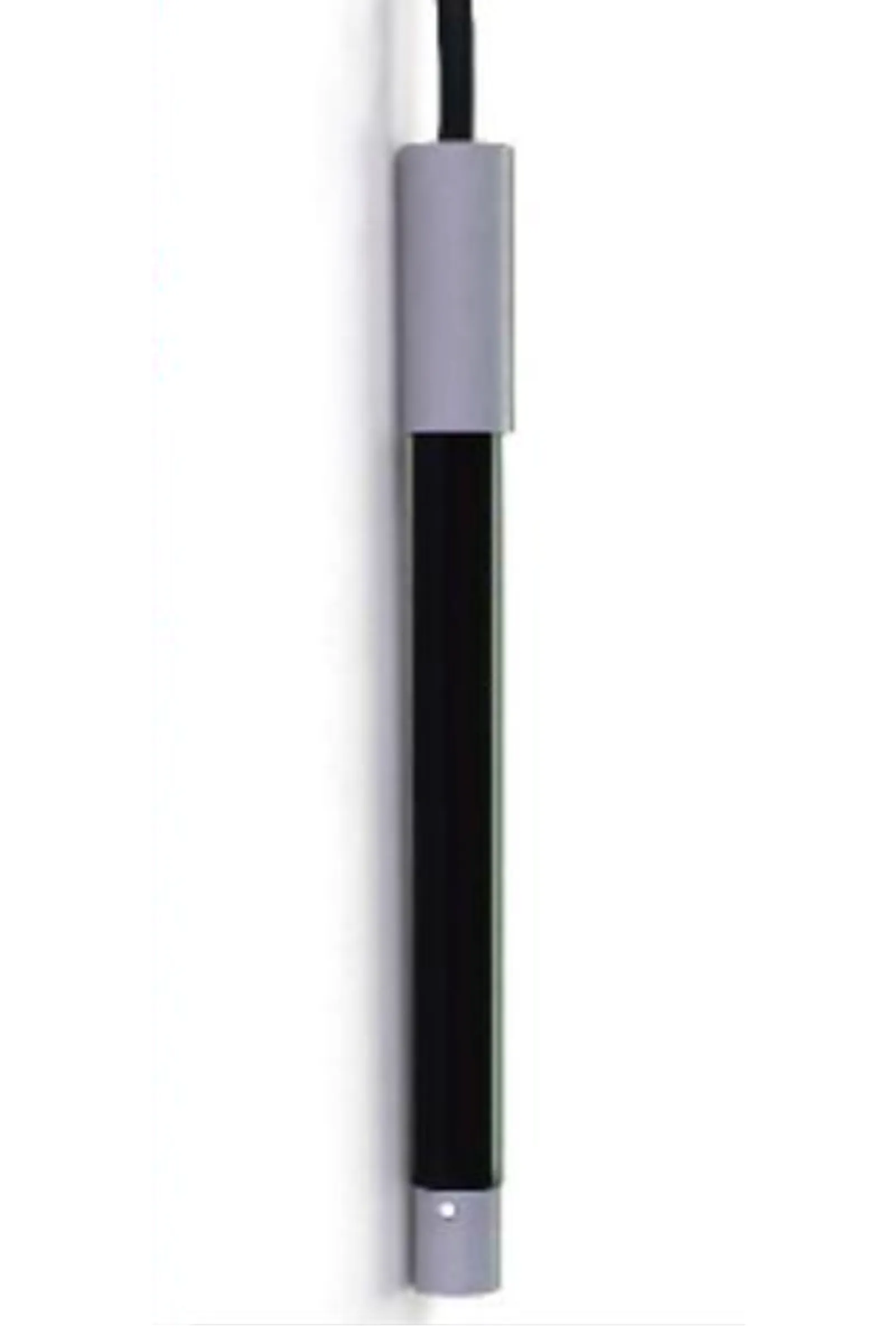
NO2-100 Nitrite Ion-Selective Electrode
Ion-selective electrode for measuring nitrite (NO2⁻) concentration in water. Essential for aquaculture, wastewater treatment, and water quality monitoring.
Contact for pricing
Product Highlights
View all in Specifications tabOverview
The NO2-100 is a precision ion-selective electrode specifically designed for measuring nitrite (NO2⁻) concentration in water. Nitrite is an intermediate product in the nitrogen cycle and can be toxic to aquatic life at elevated levels. This sensor is critical for monitoring nitrification processes in aquaculture, wastewater treatment, and environmental water quality assessment.
Key Features
- High Selectivity: Specifically designed for nitrite ion detection
- Wide Range: Measures from 0.2 to 1000 ppm (customizable up to 2200 ppm)
- Digital Output: RS485 Modbus RTU for seamless integration with SCADA and IoT systems
- Response Time: 30 seconds to 90% of the final reading
- Automatic Temperature Compensation: Integrated NTC10K thermistor for accurate readings
- Direct Connection: Connect directly to computer or PLC without additional instrumentation
Applications
- Aquaculture biofilter monitoring
- Fish farming water quality
- Wastewater treatment plants
- Nitrification process control
- Drinking water treatment
- Environmental water monitoring
- Recirculating aquaculture systems (RAS)
- Aquarium water quality
- Groundwater contamination assessment
- Research and laboratory use
Technical Specifications
The NO2-100 delivers precise nitrite measurements from 0.2 to 1000 ppm with automatic temperature compensation via the integrated NTC10K thermistor. The ion-selective membrane provides exceptional selectivity for nitrite ions, enabling early detection of nitrification issues.
Understanding Nitrite in Water
Nitrite is an intermediate nitrogen compound in the nitrogen cycle:
Nitrogen Cycle Position
- Ammonia (NH3/NH4⁺): From organic matter decomposition
- Nitrite (NO2⁻): Intermediate oxidation state (TOXIC)
- Nitrate (NO3⁻): Final oxidation product
Toxicity Concerns
- Aquatic Life: Highly toxic to fish and invertebrates
- Mechanism: Interferes with oxygen transport in blood
- Brown Blood Disease: Causes methemoglobinemia in fish
- Sensitive Species: Shrimp particularly vulnerable
Aquaculture Safety Levels
- Safe: < 0.1 mg/L
- Caution: 0.1-0.5 mg/L
- Dangerous: > 0.5 mg/L
- Lethal: > 5 mg/L (varies by species)
Biofilter Monitoring
Nitrite monitoring is essential for biofilter management:
- Start-up Phase: Tracking nitrification establishment
- Nitrite Spike: Detecting biofilter disturbances
- Performance: Assessing biological filtration efficiency
- Recovery: Monitoring after system stress
Wastewater Treatment
In wastewater treatment, nitrite indicates:
- Nitrification Progress: Step 1 of biological nitrogen removal
- Process Problems: Incomplete nitrification
- Operational Issues: Dissolved oxygen or pH problems
- Inhibition: Presence of toxic compounds
Typical Nitrite Levels
- Natural water: < 0.001 mg/L
- Aquaculture (safe): < 0.1 mg/L
- Aquaculture (stress): > 0.5 mg/L
- Wastewater influent: 0-5 mg/L
- Nitrifying systems: Variable during start-up
- Drinking water limit: 1 mg/L (EPA standard)
Connectivity and Integration
The NO2-100 supports dual output for integration into aquaculture and wastewater monitoring systems:
RS485 Modbus RTU:
- Connect to Agrinovo Omni Genesis or Exodus controllers for cloud-based nitrite monitoring
- Multi-drop bus networking (up to 32 sensors per bus)
- Standard Modbus registers for NO2⁻ concentration and temperature
- Compatible with SCADA, PLC, and RAS biofilter management systems
RS485 Modbus RTU Output:
- Direct connection to alarm systems and emergency response controllers
- Scalable output range mapped to measurement range
- Ideal for triggering water exchanges or salt additions when nitrite spikes occur
IoT Integration:
- Pair with Omni Genesis/Exodus for automated nitrite spike alerts
- Set emergency thresholds for fish health protection
- Historical data logging for biofilter maturation tracking
- Correlate with NH4⁺ and NO3⁻ trends for nitrogen cycle analysis
Installation and Maintenance
Positioning: In RAS systems, install after the biofilter to verify nitrification performance. In ponds, install at a representative depth away from inlets and aerators. In wastewater, install in the nitrification zone or effluent stream.
Calibration: Up to 5-point calibration with standard solutions of 0.1, 1, 10, 100 and 1000 ppm; at least two points are required before the sensor reports concentration. Prepare fresh nitrite standards for each calibration.
Biofouling Prevention: In biological systems, biofilm buildup on the membrane is common. Clean weekly with a soft brush and deionized water. In high-organic environments, more frequent cleaning is necessary.
Nitrogen Cycle Monitoring
For complete nitrogen cycle monitoring, combine with:
- NH4-100: Ammonium levels
- NH3-100: Toxic ammonia
- NO3-100: Nitrate end product
- NOx-100: Total nitrogen oxides
Part of our IoT Aquaculture Monitoring System
See how our aquaculture sensors work together in a complete real-time water quality monitoring system for fish farming.
Related Products
Other solutions in the Ion Selective probes category