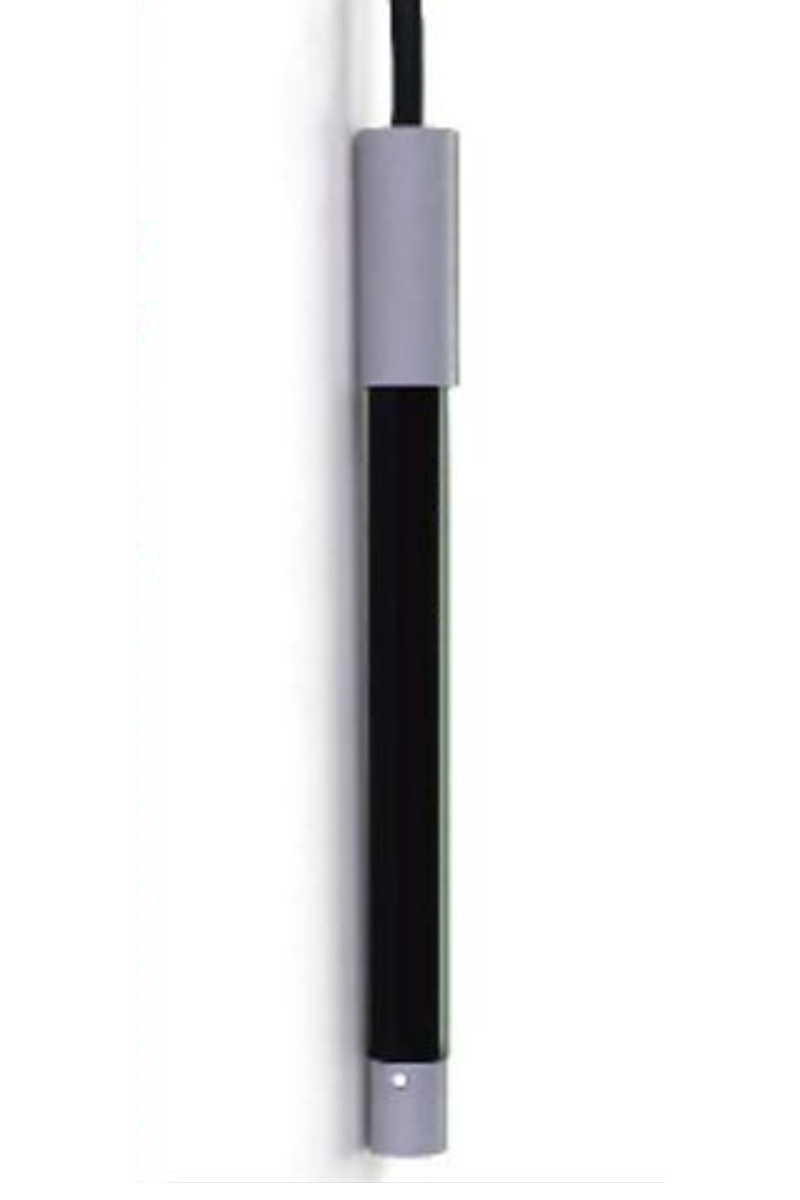
O3-100 Ozone Sensor
Advanced sensor for measuring dissolved ozone (O3) concentration in water. Essential for disinfection monitoring in water treatment, aquaculture, and industrial applications.
Product Highlights
View all in Specifications tabOverview
The O3-100 is an advanced sensor specifically designed for measuring dissolved ozone (O3) concentration in water. Ozone is a powerful oxidant used for water disinfection, color removal, and advanced oxidation processes. This sensor is essential for water treatment plants, aquaculture systems, food processing facilities, and industrial applications requiring precise ozone monitoring.
Key Features
- High Sensitivity: Measures from 0.01 to 20.00 mg/L (ppm)
- Fast Response: Results within 60 seconds
- Dual Output Options: Supports both RS485 Modbus RTU and 4-20mA current output
- Automatic Temperature Compensation: Integrated PT1000 sensor for accurate readings
- Direct Connection: Connect directly to computer or PLC without additional instrumentation
- High Protection: IP68 waterproof rating ensures reliable operation
- No Consumables: Electrochemical sensor requires no reagents
Applications
- Drinking water treatment plants
- Wastewater treatment and reuse
- Aquaculture water disinfection
- Swimming pool and spa ozonation
- Food and beverage processing
- Pharmaceutical water systems
- Cooling tower water treatment
- Bottled water production
- Advanced oxidation processes (AOPs)
- Color and odor removal
- Industrial process water
- Laundry and textile applications
Technical Specifications
The O3-100 delivers precise ozone measurements from 0.01 to 20.00 mg/L with automatic temperature compensation via the integrated PT1000 sensor. The electrochemical sensor technology specifically detects dissolved O3, providing accurate real-time monitoring for process control and safety.
Understanding Ozone in Water Treatment
Ozone is one of the most powerful oxidants used in water treatment:
Advantages
- Powerful Disinfection: More effective than chlorine against bacteria, viruses, and protozoa
- No Harmful Byproducts: Does not produce trihalomethanes (THMs) or chlorinated compounds
- Oxidation Power: Removes color, taste, and odor compounds
- No Residue: Decomposes to oxygen, leaving no chemical residue
- Broad Spectrum: Effective against resistant organisms like Cryptosporidium
Applications by Concentration
- Disinfection: 0.1-0.4 mg/L
- Color/Odor Removal: 0.5-2.0 mg/L
- Advanced Oxidation: 2.0-10.0 mg/L
- Industrial Processes: 5.0-20.0 mg/L
Ozone Monitoring Importance
Accurate ozone monitoring is critical for:
- Process Control: Optimizing ozone dosing for efficiency
- Safety: Preventing overdosing and monitoring off-gas levels
- Regulatory Compliance: Meeting water quality standards
- Cost Optimization: Reducing ozone generation costs
- Equipment Protection: Preventing damage from excess ozone
Connectivity and Integration
With its RS485 Modbus RTU interface, the O3-100 seamlessly integrates into modern SCADA systems and IoT networks. The 4-20mA current output option ensures compatibility with traditional industrial controllers and data acquisition systems.
Installation and Maintenance
The O3-100 requires regular calibration for optimal accuracy. The electrochemical sensor should be inspected periodically. The robust IP68-rated construction allows for continuous immersion in ozonated water systems. Note that ozone can be corrosive to certain materials, so proper material selection for installation is important.
Safety Considerations
Ozone is a powerful oxidant and must be carefully controlled:
- Monitor residual ozone to prevent equipment corrosion
- Ensure proper ventilation in ozone generation areas
- Follow safety guidelines for ozone handling
- Maintain appropriate contact time for effective disinfection
Related Products
Other solutions in the Ion Selective probes category