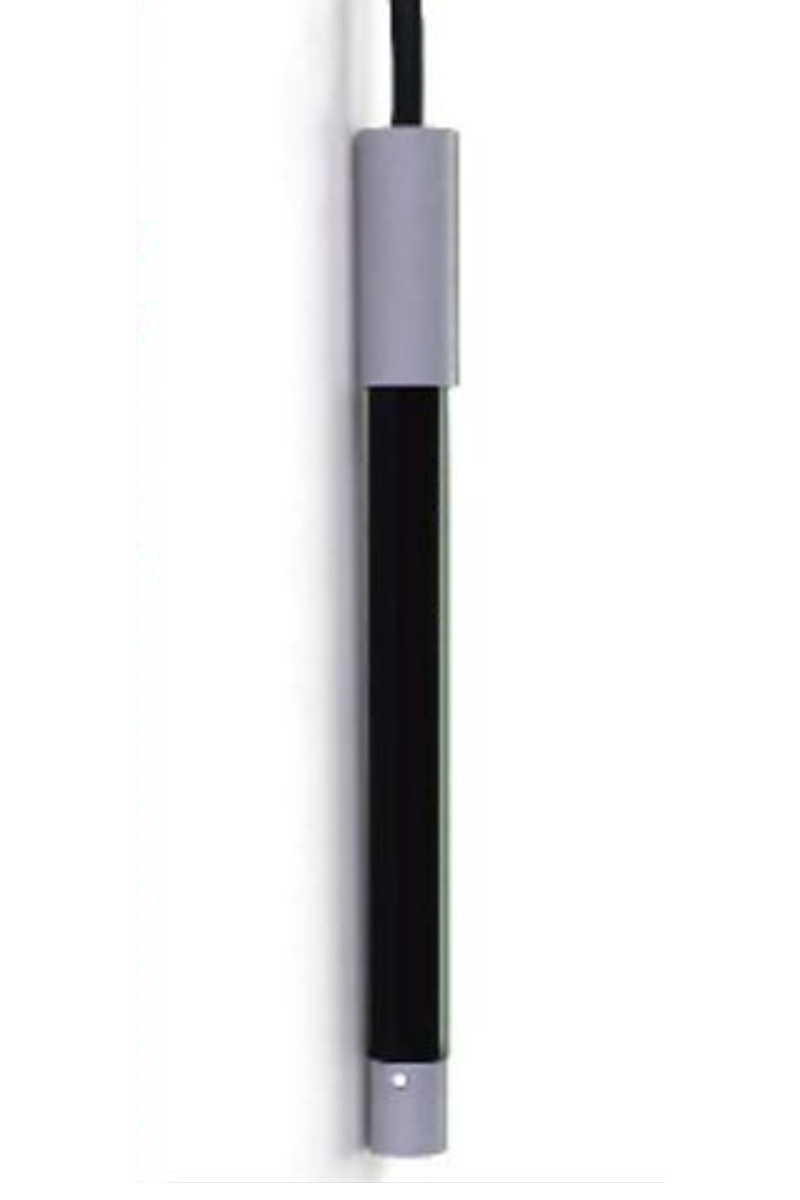
Pb-100 Lead Ion-Selective Electrode
Ion-selective electrode for measuring lead (Pb²⁺) concentration in water. Critical for drinking water safety, environmental monitoring, and regulatory compliance.
$559.99USD
Product Highlights
View all in Specifications tabOverview
The Pb-100 is a precision ion-selective electrode specifically designed for measuring lead (Pb²⁺) concentration in water. Lead monitoring is critical for protecting public health, ensuring drinking water safety, and maintaining environmental compliance. This sensor provides fast, accurate measurements essential for detecting lead contamination and meeting strict regulatory requirements.
Key Features
- High Selectivity: Specifically designed for lead ion detection
- Wide Range: Measures from 0.02 to 20,700 mg/L (ppm)
- Digital Output: RS485 Modbus RTU for seamless integration with SCADA and IoT systems
- Fast Response: Results within 30 seconds
- Automatic Temperature Compensation: Integrated PT1000 sensor for accurate readings
- Direct Connection: Connect directly to computer or PLC without additional instrumentation
- High Protection: IP68 waterproof rating ensures reliable operation
Applications
- Drinking water quality monitoring
- Lead service line testing
- School and daycare water testing
- Industrial effluent monitoring
- Mining wastewater treatment
- Battery manufacturing process control
- Environmental compliance testing
- Groundwater contamination assessment
- Soil leachate analysis
- Research and laboratory testing
Technical Specifications
The Pb-100 delivers precise lead measurements from 0.02 to 20,700 mg/L with automatic temperature compensation via the integrated PT1000 sensor. The ion-selective membrane provides exceptional selectivity for lead ions, making it ideal for trace metal detection critical for public health protection.
Understanding Lead in Water
Lead is a highly toxic heavy metal with no safe exposure level:
Health Effects
- Neurotoxin: Damages brain and nervous system development
- Children at Risk: Particularly harmful to young children
- Irreversible: Causes permanent developmental damage
- Cumulative: Accumulates in body over time
- Multiple Organs: Affects kidneys, blood, and reproduction
Sources of Lead
- Plumbing: Lead pipes, solder, and fixtures
- Corrosion: Acidic or soft water leaching lead
- Industrial: Battery manufacturing, metal smelting
- Historical: Lead paint, gasoline (legacy contamination)
- Natural: Minimal from geological sources
Regulatory Standards
- EPA Action Level: 15 μg/L (0.015 mg/L) for drinking water
- WHO Guideline: 10 μg/L (0.010 mg/L)
- Lead and Copper Rule: Requires regular testing
- Zero Goal: No safe level established
- Industrial Discharge: Strictly limited by permits
Critical Monitoring Applications
Drinking Water Safety
- Tap Water Testing: Ensuring safe lead levels
- First Draw Samples: Detecting pipe leaching
- Corrosion Control: Monitoring treatment effectiveness
- Service Line Replacement: Verifying lead removal
Schools and Daycares
- Mandatory Testing: Protecting vulnerable children
- Fountain Monitoring: High-use fixture testing
- Remediation Verification: Confirming successful mitigation
- Ongoing Compliance: Regular monitoring programs
Industrial Monitoring
- Battery Manufacturing: Process water control
- Wastewater Treatment: Meeting discharge limits
- Mining Operations: Tailings and effluent monitoring
Typical Lead Levels
- Safe drinking water: < 0.015 mg/L (15 μg/L)
- Corrosive plumbing: Can exceed 0.1 mg/L
- Battery industry: Variable, process-dependent
- Mining wastewater: Often elevated without treatment
- Industrial discharge limit: Typically < 0.05 mg/L
- Environmental water: Should be < 0.001 mg/L
Corrosion Control
Lead monitoring is essential for corrosion control programs:
- pH Adjustment: Raising pH reduces lead leaching
- Orthophosphate: Forms protective coating on pipes
- Water Chemistry: Optimizing corrosion inhibitors
- Effectiveness Testing: Verifying treatment success
Connectivity and Integration
The Pb-100 supports dual output for integration into water safety and environmental monitoring systems:
RS485 Modbus RTU:
- Connect to Agrinovo Omni Genesis or Exodus controllers for cloud-based lead monitoring
- Multi-drop bus networking (up to 32 sensors per bus)
- Standard Modbus registers for Pb²⁺ concentration and temperature
- Compatible with SCADA, PLC, and water distribution system monitoring
RS485 Modbus RTU Output:
- Direct connection to alarm systems for immediate lead detection alerts
- Scalable output range mapped to measurement range
- Ideal for continuous corrosion control program monitoring
IoT Integration:
- Pair with Omni Genesis/Exodus for 24/7 automated lead monitoring
- Set immediate alerts when lead exceeds EPA action level (15 µg/L)
- Historical data logging for Lead and Copper Rule compliance documentation
- Remote monitoring for schools, hospitals, and public buildings
Installation and Maintenance
Positioning: For first-draw testing, install at consumer taps or drinking fountains. For distribution system monitoring, install at representative locations throughout the network. For industrial applications, install in effluent streams before discharge points.
Calibration: Two-point calibration using Pb(NO3)2 standard solutions in acidified water (pH < 4 to keep lead in solution). For drinking water, calibrate at 0.01 mg/L and 0.1 mg/L. Recalibrate every 1-2 weeks for compliance monitoring.
Sample pH: Lead speciation is highly pH-dependent. At pH > 6, lead can precipitate as hydroxides or carbonates. For total dissolved lead measurement, acidify samples. For monitoring free Pb²⁺ at process pH, account for speciation effects.
Public Health Priority
Lead monitoring is a critical public health measure:
- Protects vulnerable populations (children, pregnant women)
- Enables early detection of contamination
- Supports proactive remediation efforts
- Ensures regulatory compliance
- Prevents long-term health consequences
Part of our IoT Aquaculture Monitoring System
See how our aquaculture sensors work together in a complete real-time water quality monitoring system for fish farming.
Related Products
Other solutions in the Ion Selective probes category