Ammonia, Nitrite and Nitrate Sensors for Aquaculture
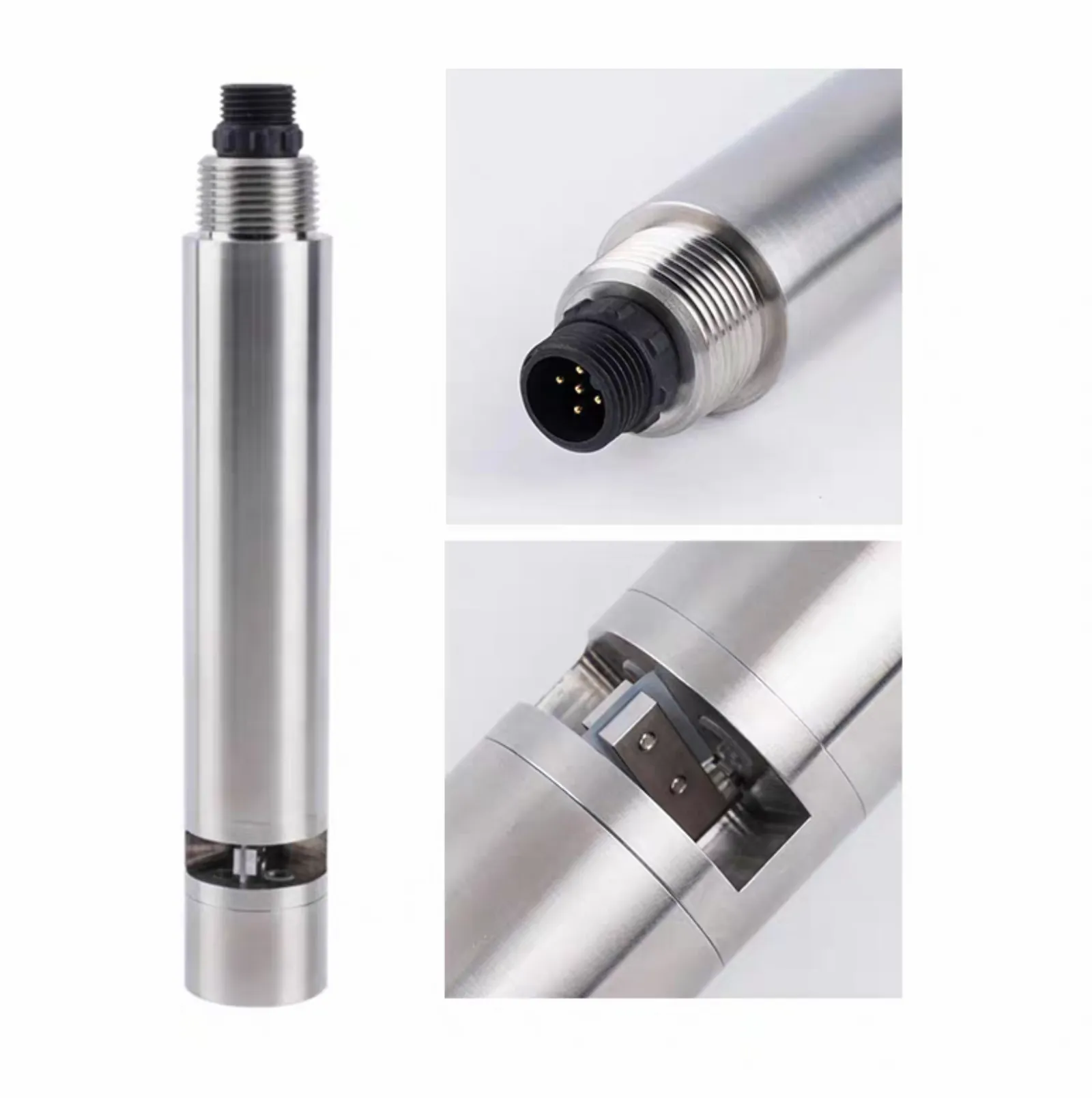
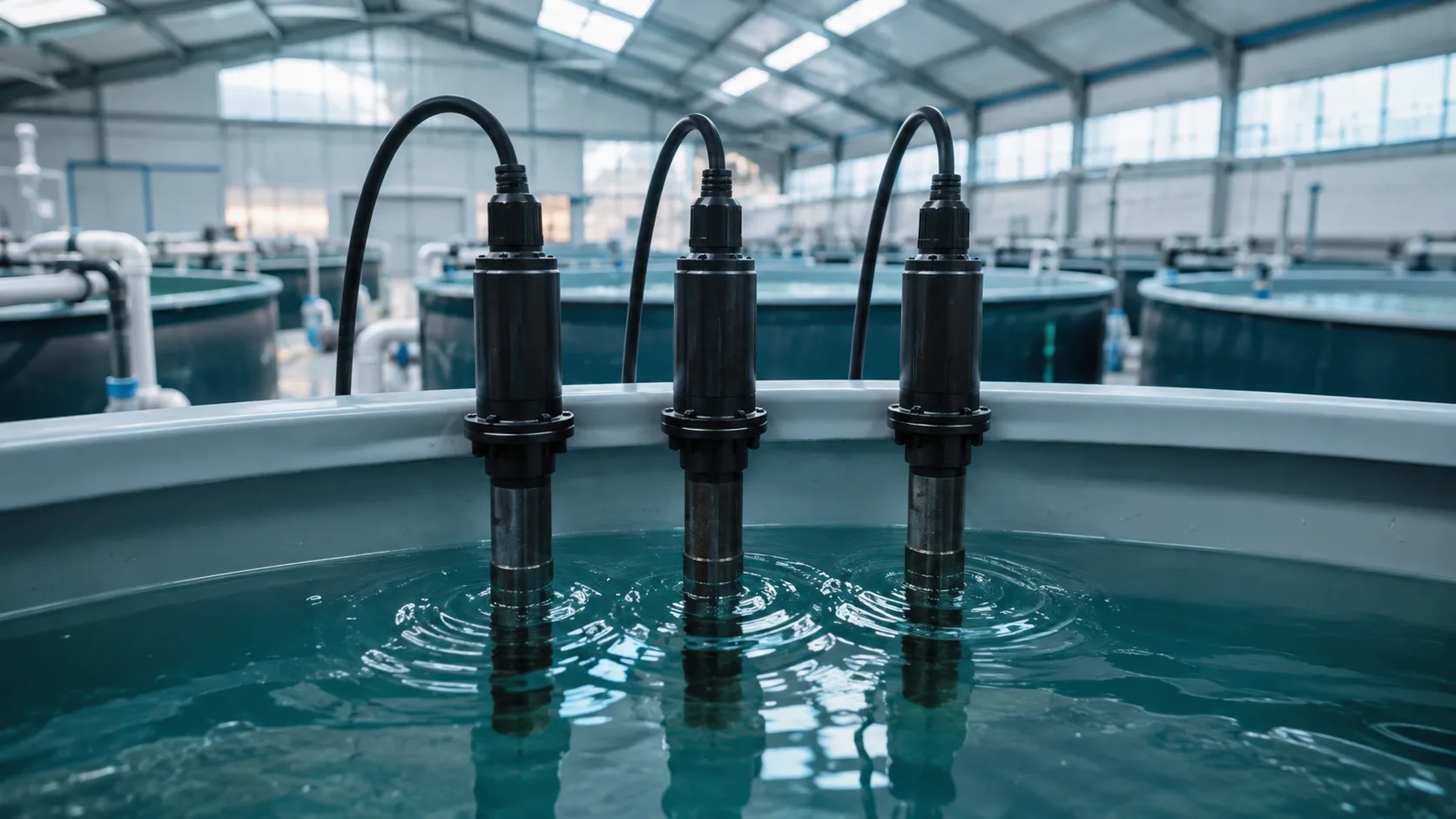
Ammonia, nitrite and nitrate sensors compared for aquaculture: which of the three your pond, RAS or shrimp farm actually needs, and how to choose the probe.
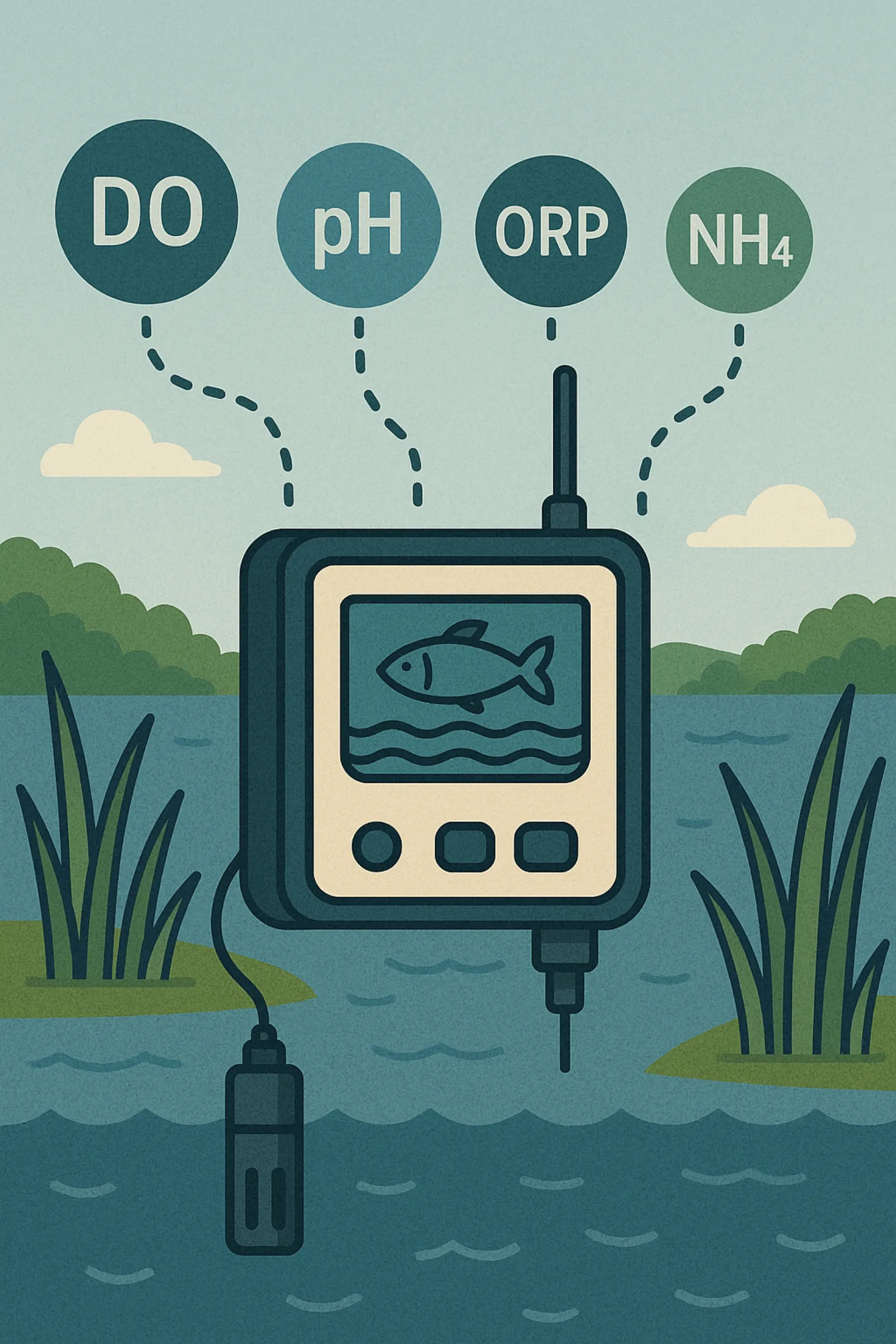
Guides on dissolved oxygen, pH, ammonia, and ORP monitoring for fish farms, shrimp ponds, and RAS systems.
19 articles
Ammonia, nitrite and nitrate sensors compared for aquaculture: which of the three your pond, RAS or shrimp farm actually needs, and how to choose the probe.
How online COD, turbidity, and suspended solids sensors work for farm and aquaculture water: continuous organic-load and solids monitoring, self-cleaning optics, and remote alerts.
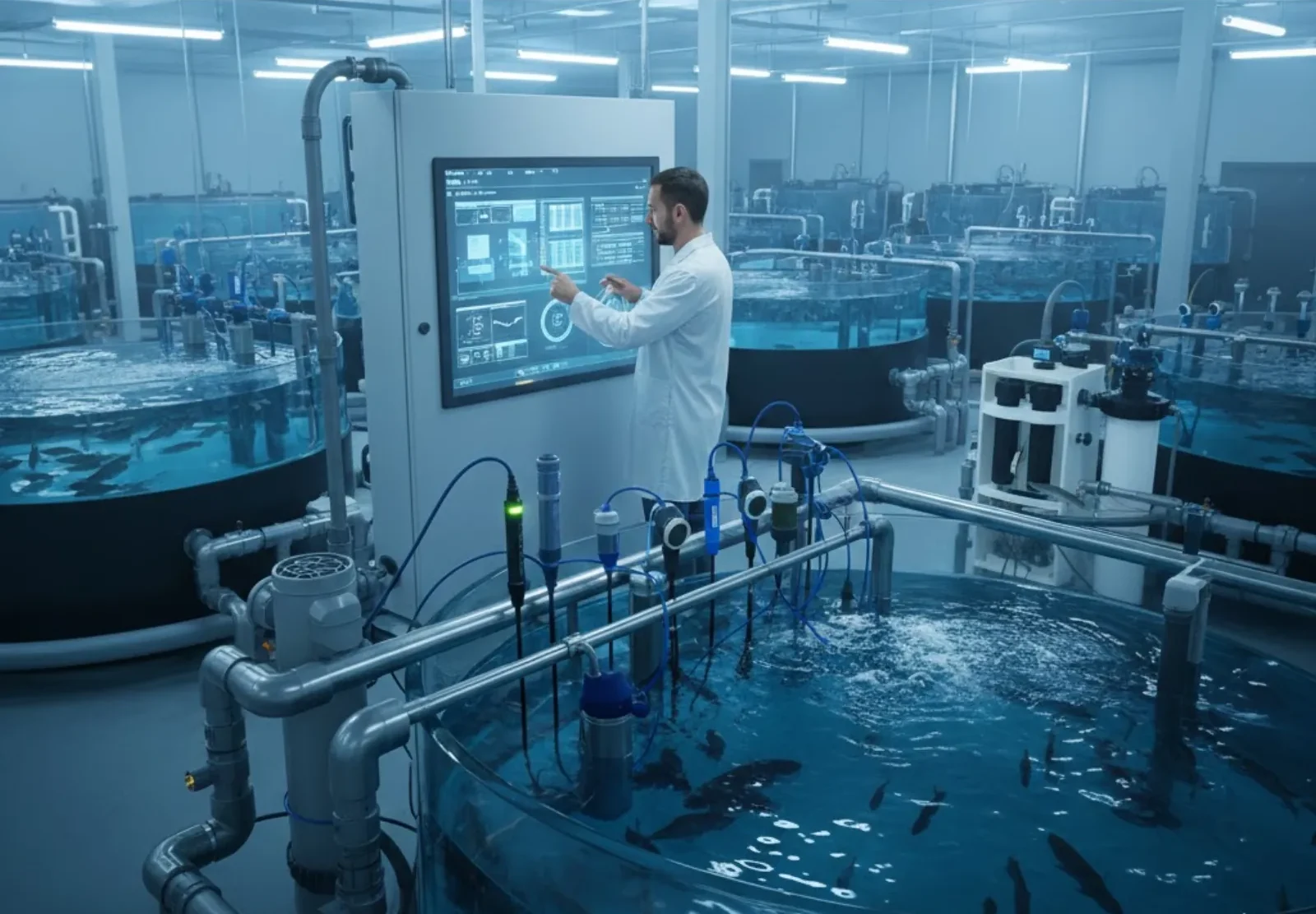
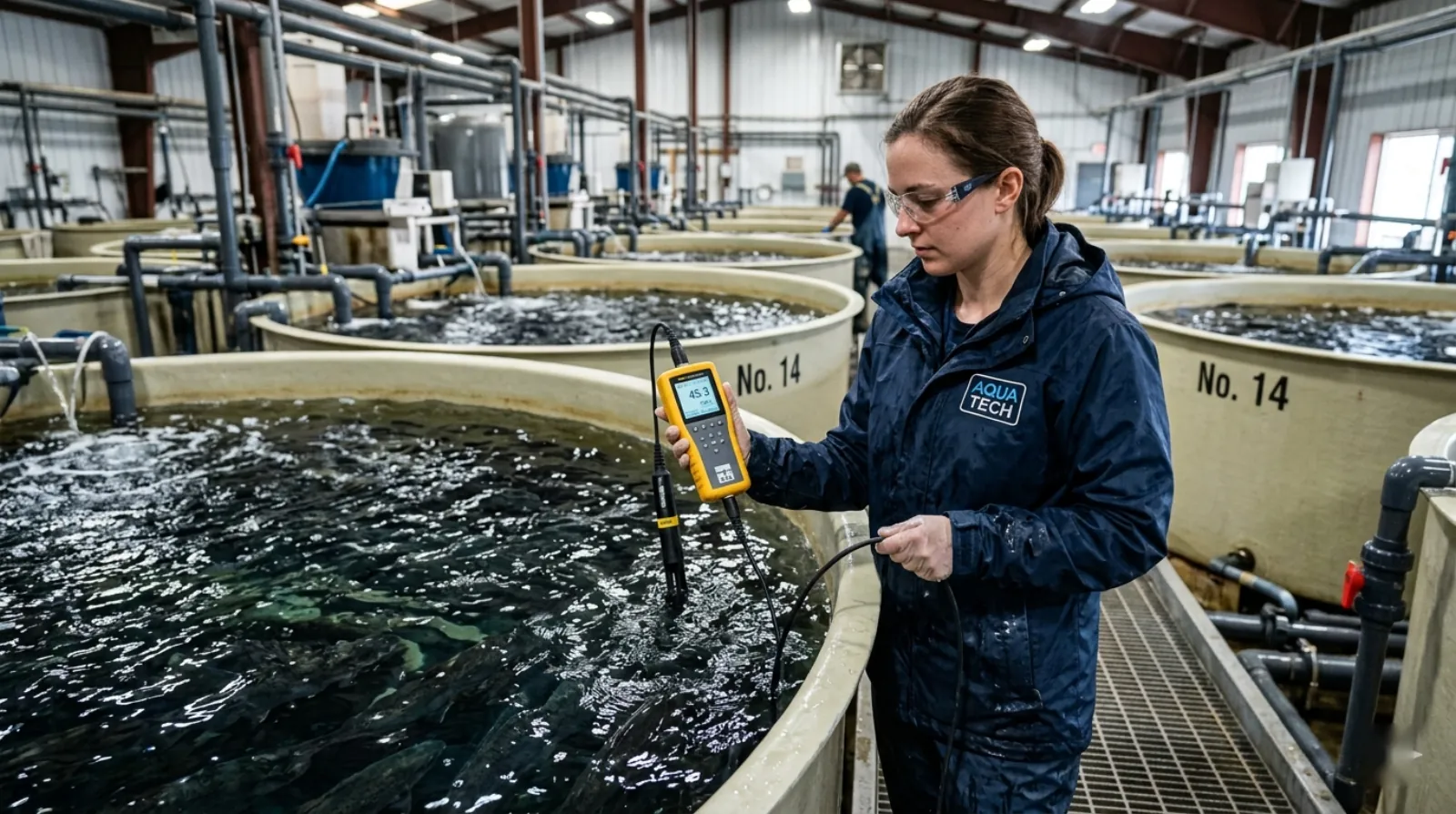
How to build a RAS monitoring system: the DO, pH, ammonia and ORP sensors a recirculating loop needs, where they go, and the alarms that prevent crashes.
What goes into a shrimp farm monitoring system: which sensors to deploy, where to place them, the alert thresholds that matter, and how to scale across ponds.
Which water quality parameters tilapia farms should monitor, the sensors to use in ponds and tanks, where to place them, and the alerts that protect a crop.
Nitrate accumulates silently in RAS and ponds. Safe NO3 ranges by species, when probes beat test kits, and how to catch slow-rising trends early.
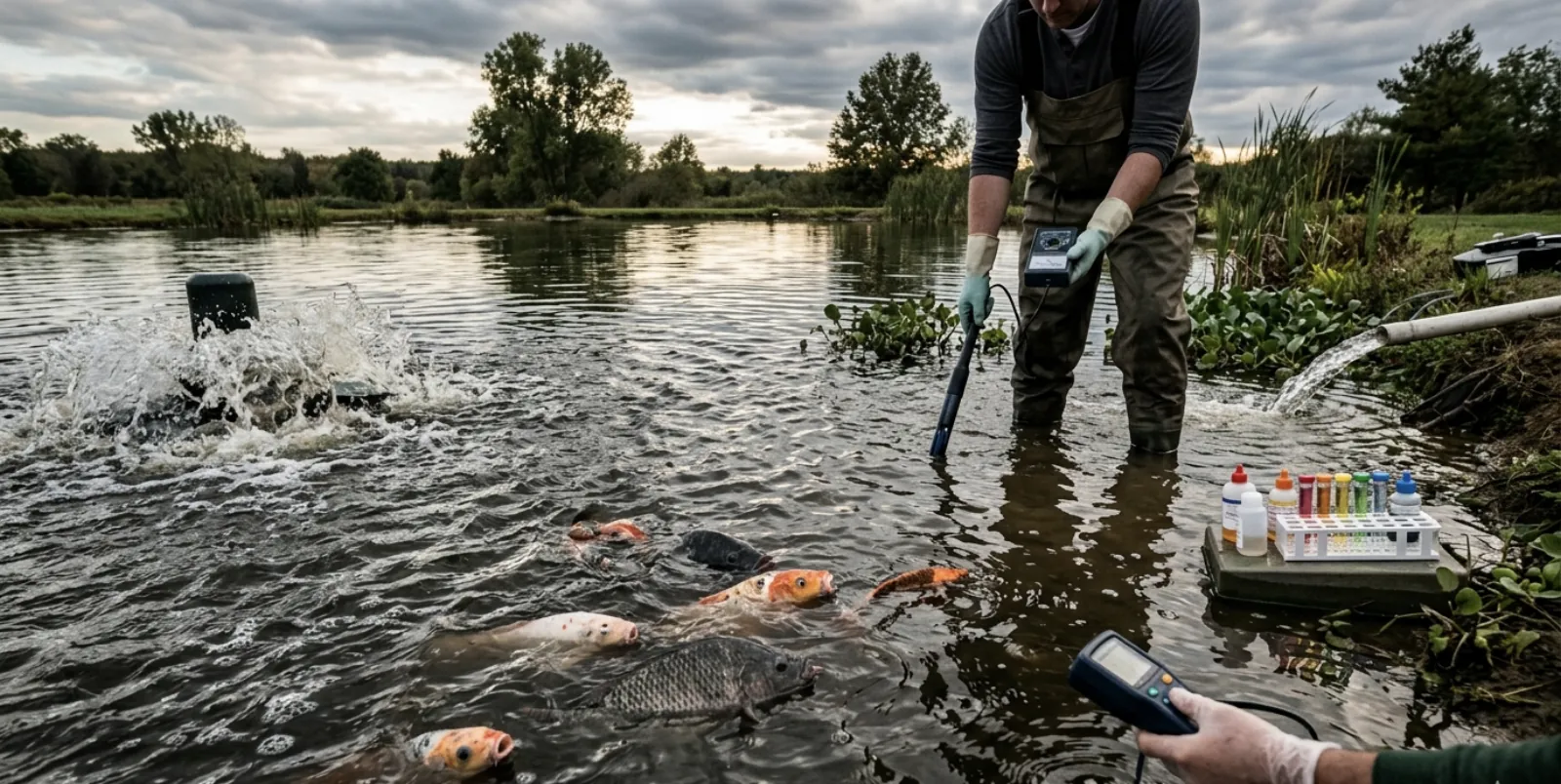
What causes ammonia spikes in fish ponds, how pH turns ammonia toxic, the emergency response, and the ammonium sensor and alarm setup that catches it early.
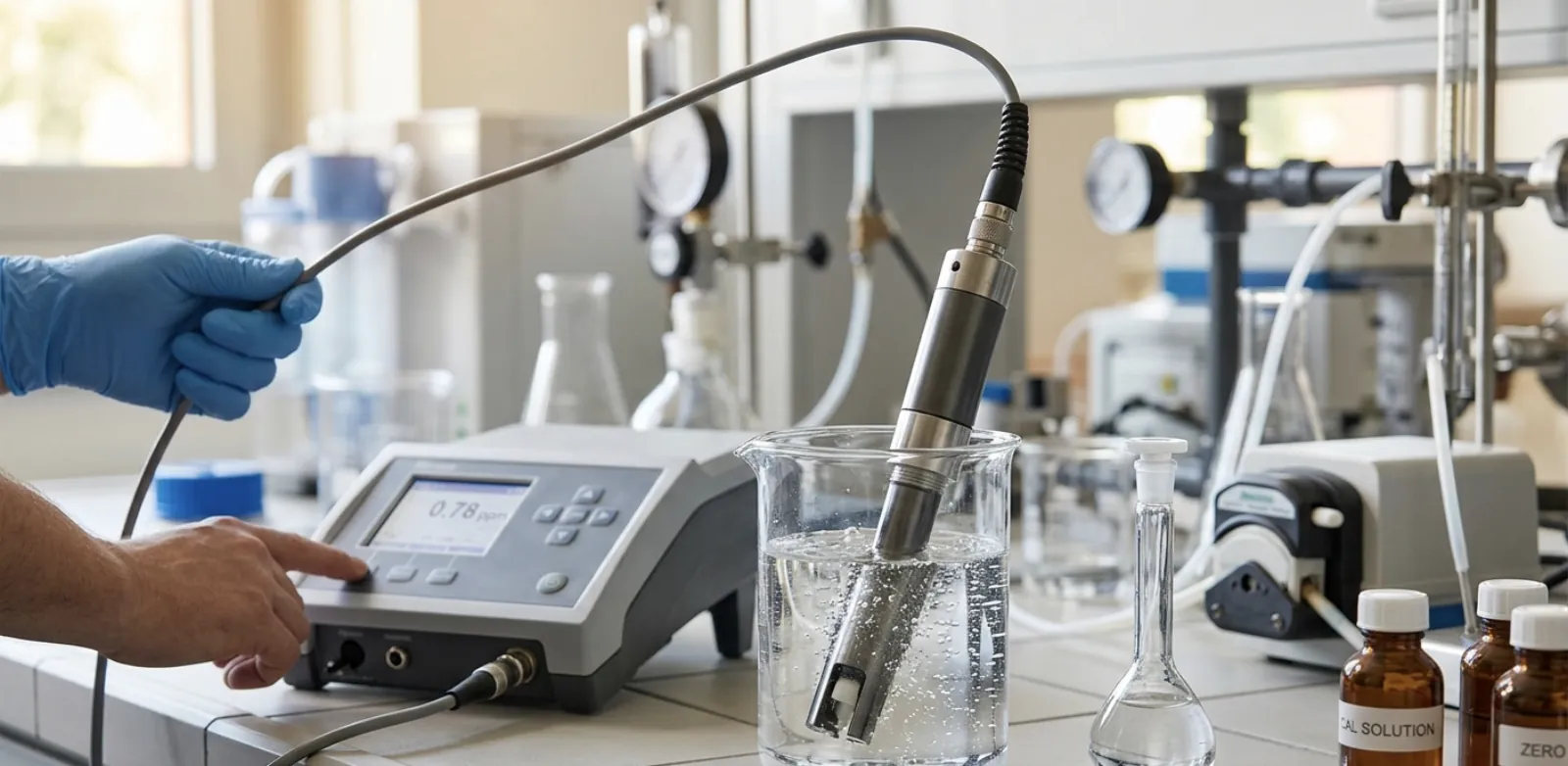
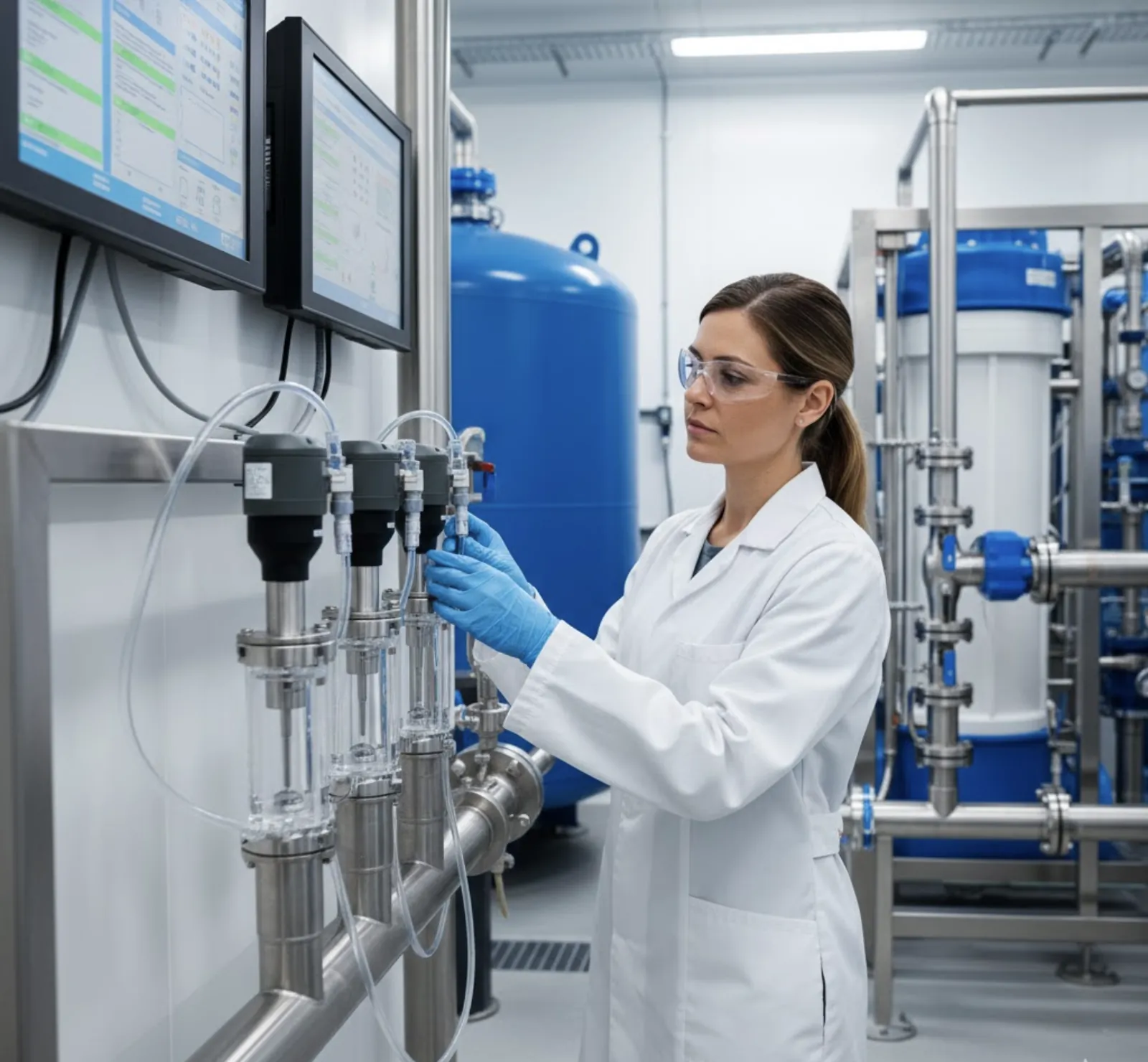
Practical guide to the O3-100 dissolved ozone probe: wiring, calibration, flow cell install, and field tips for water treatment, aquaculture, and industry.
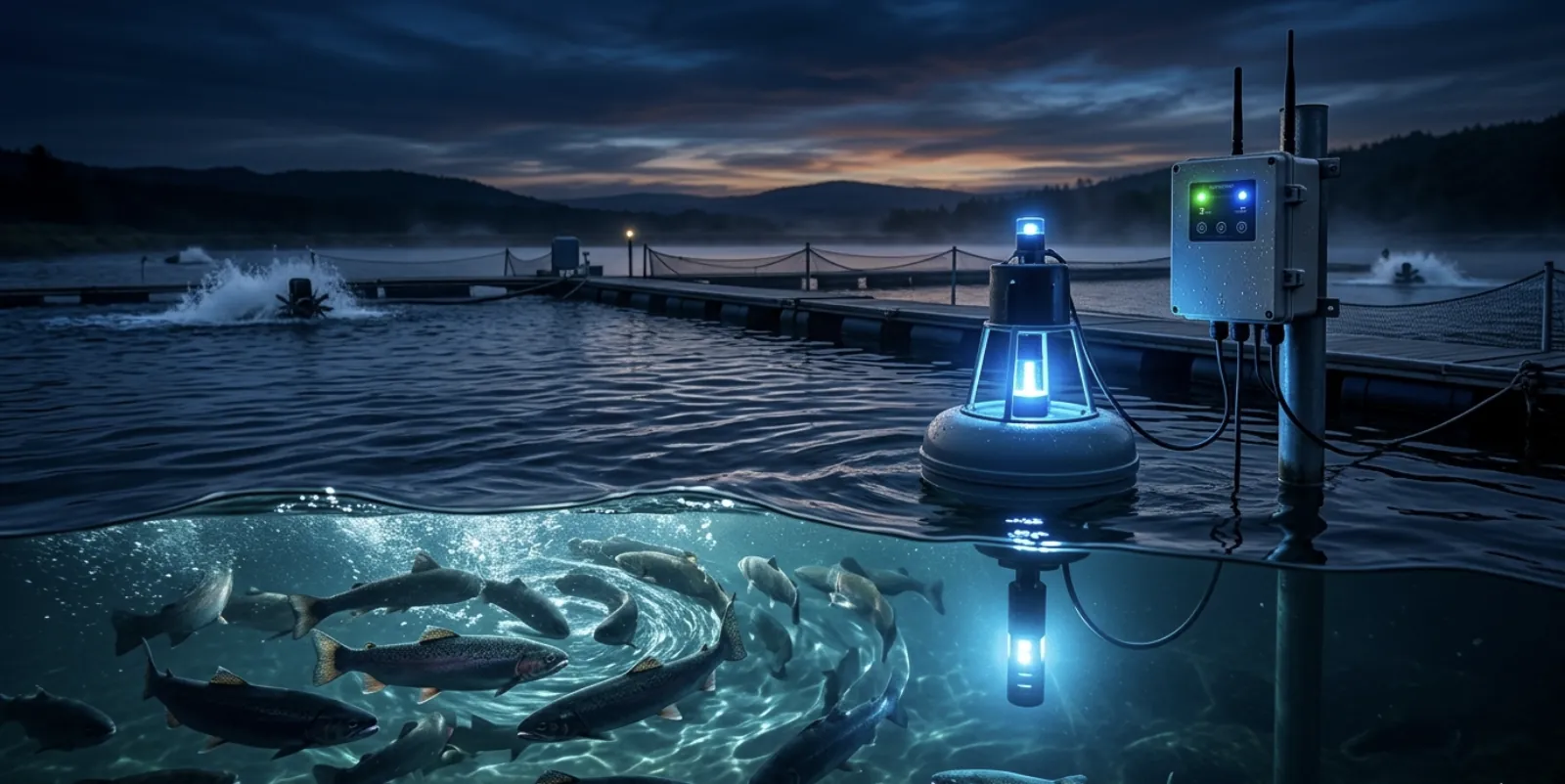
Why most fish kills happen between 2-5 AM and how to stop them. DO crash thresholds, sensor placement, automated alerts, and emergency aeration protocols.
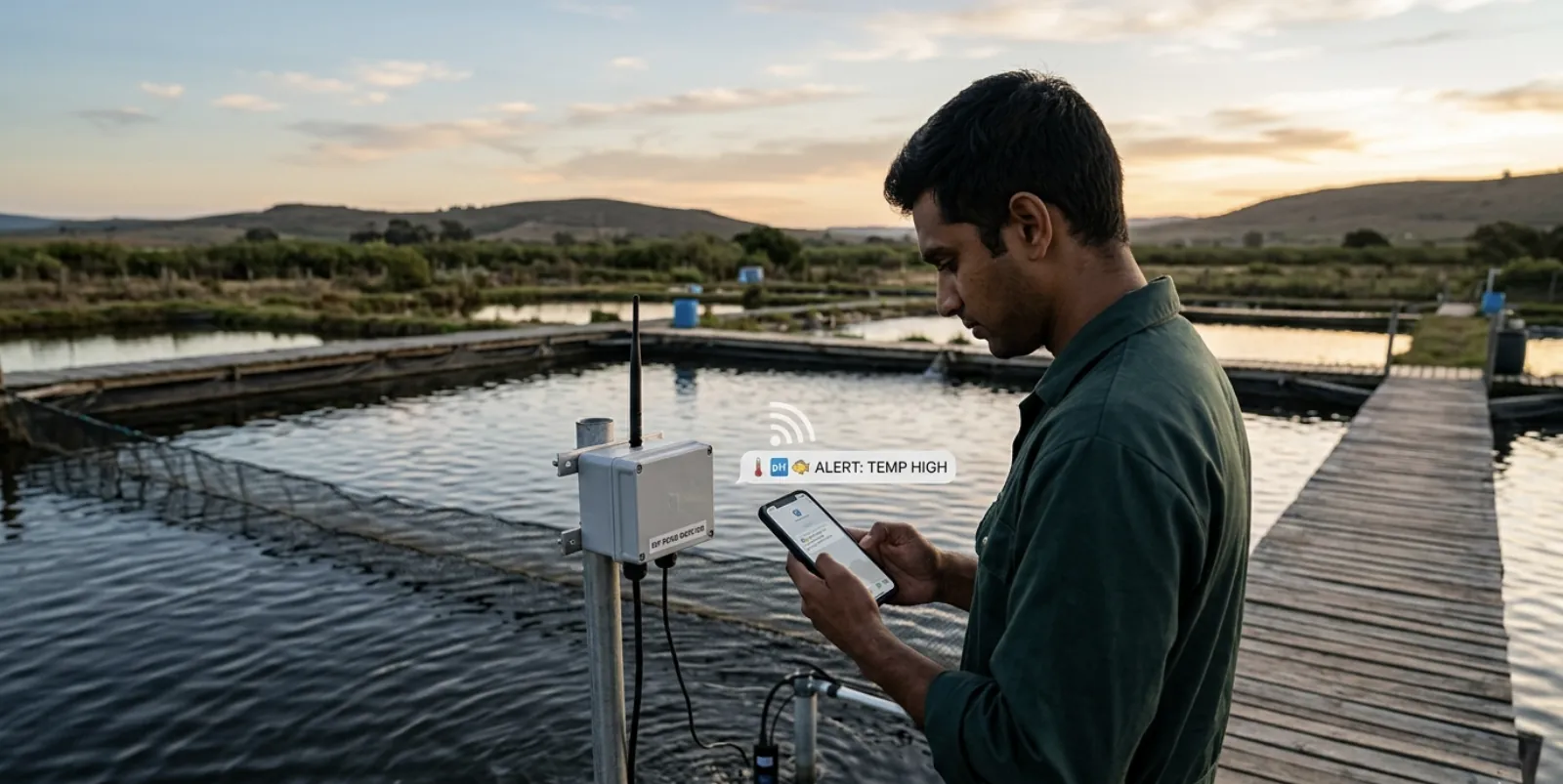
How to set up a reliable pond monitoring system with cellular SMS alerts: sensor selection, controller options, and scaling to full-farm coverage.
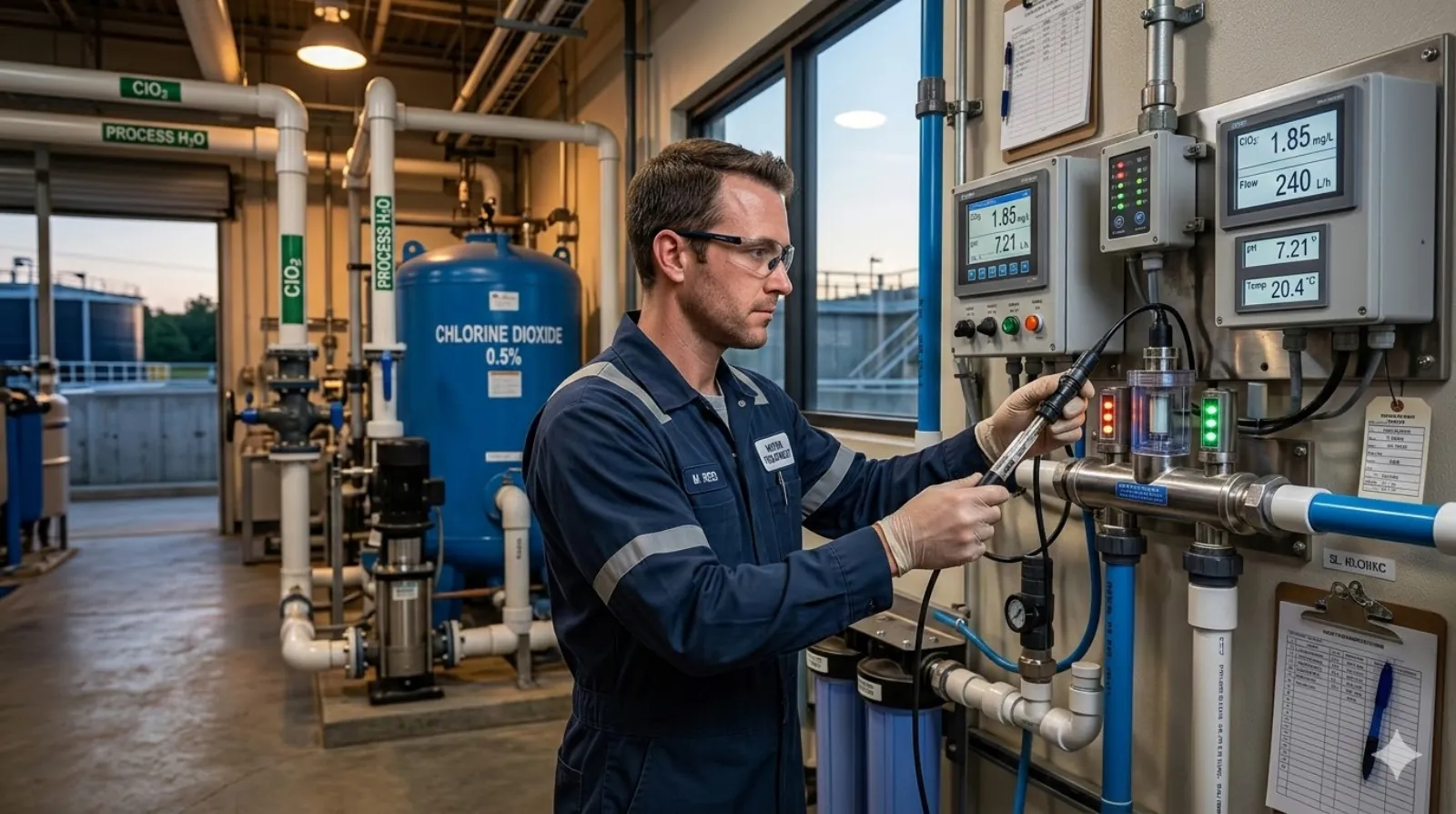
Chlorine dioxide monitoring for drinking water, wastewater and food processing: amperometric against colorimetric sensors, placement and the limits to meet.
Dissolved ozone sensor selection for water treatment and aquaculture: electrochemical probe vs UV analyzer, probe placement, and closing the dosing loop.