How to Choose an EC Probe for Aquaculture
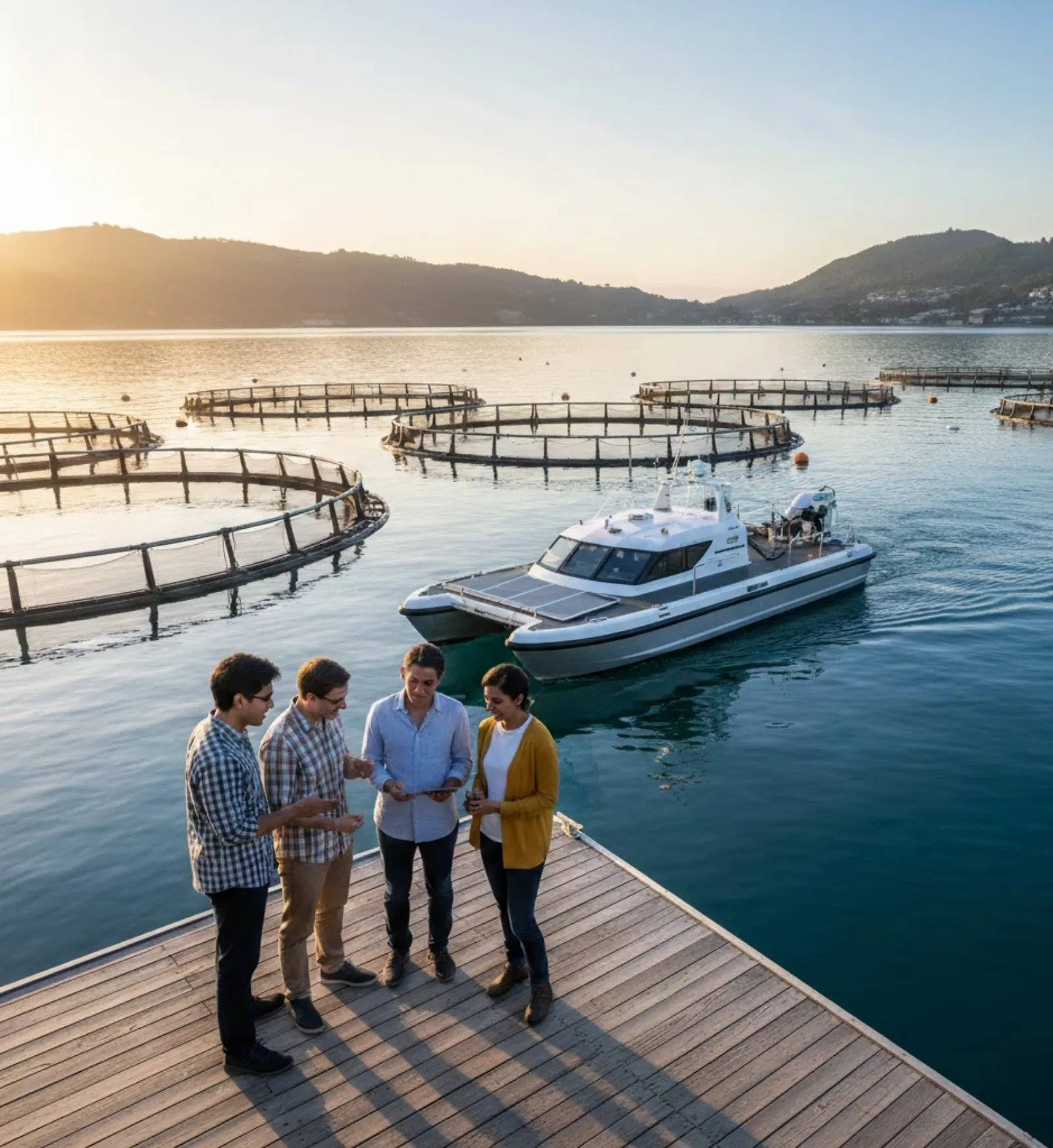
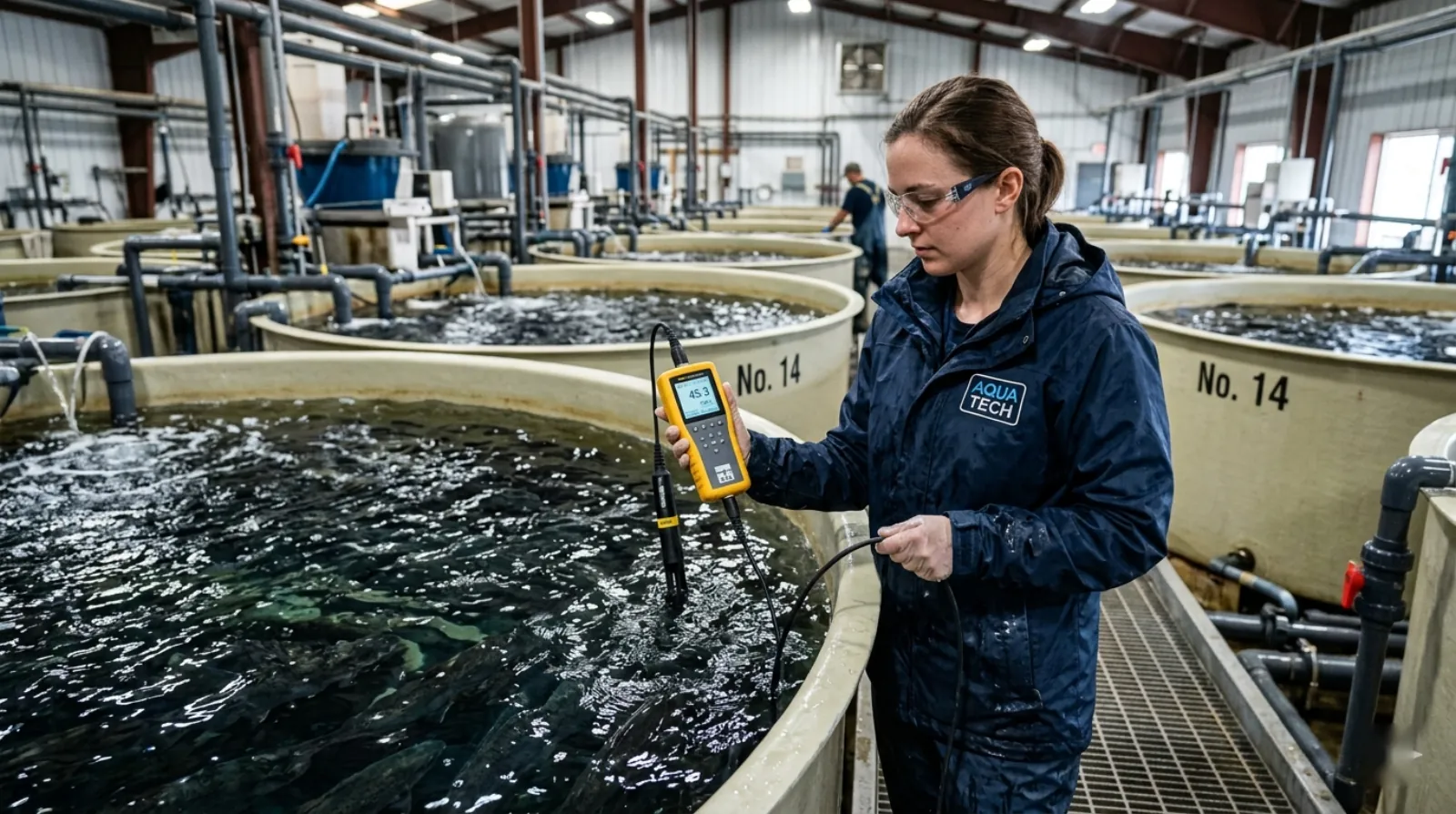
How to select the right EC probe for aquaculture, hydroponics, and water monitoring. Compare cell constants, materials, and ranges by application.
Page 2 of 3
How to select the right EC probe for aquaculture, hydroponics, and water monitoring. Compare cell constants, materials, and ranges by application.
How to use ORP sensors to control ozone dosing in RAS. Safe setpoints by species, sensor placement, and how to automate ozone injection.
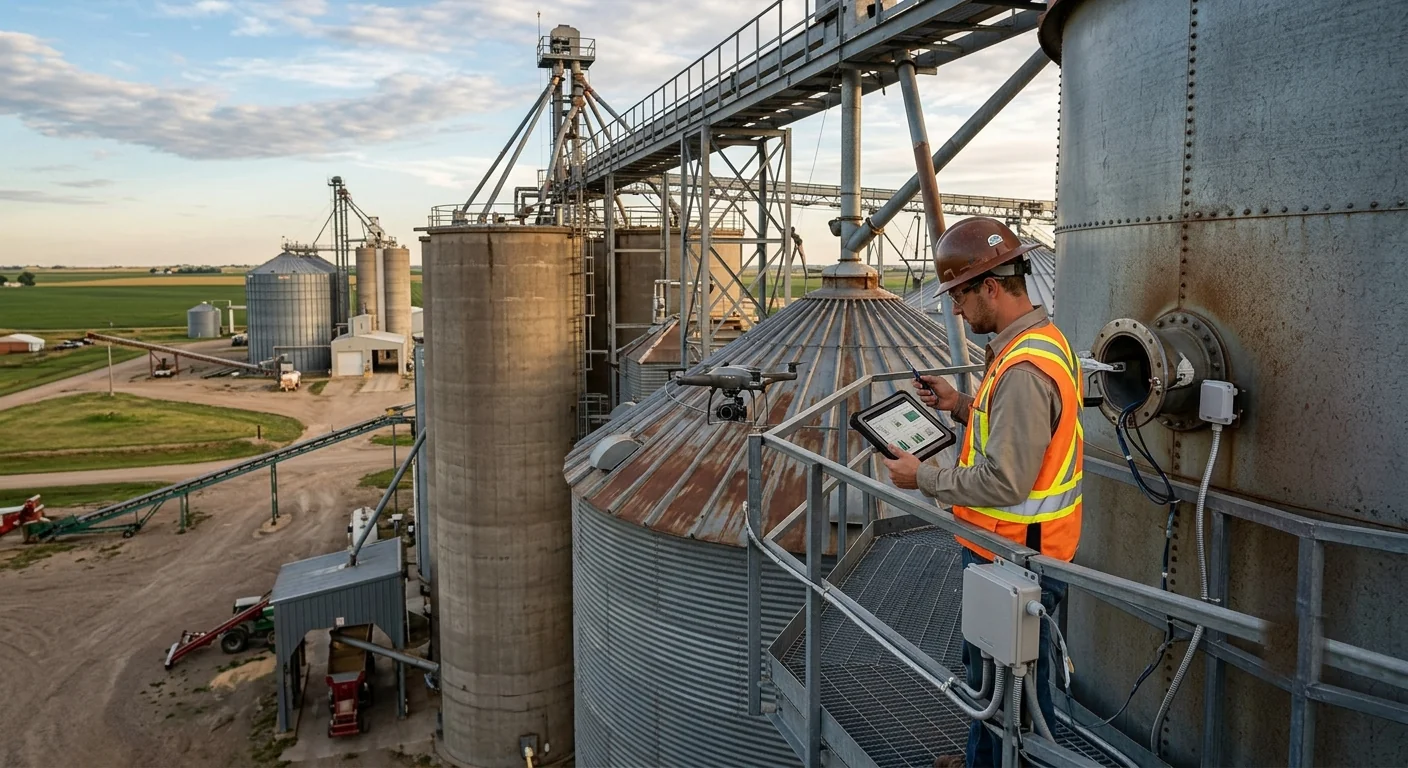
Which silo level sensor actually works for grain, feed, and powder? We compare radar, ultrasonic, load cell, and capacitive options with real accuracy data.
Guide to tensiometers for irrigation. How they work, how to read centibars, installation depth by crop, and when to choose them over other sensors.
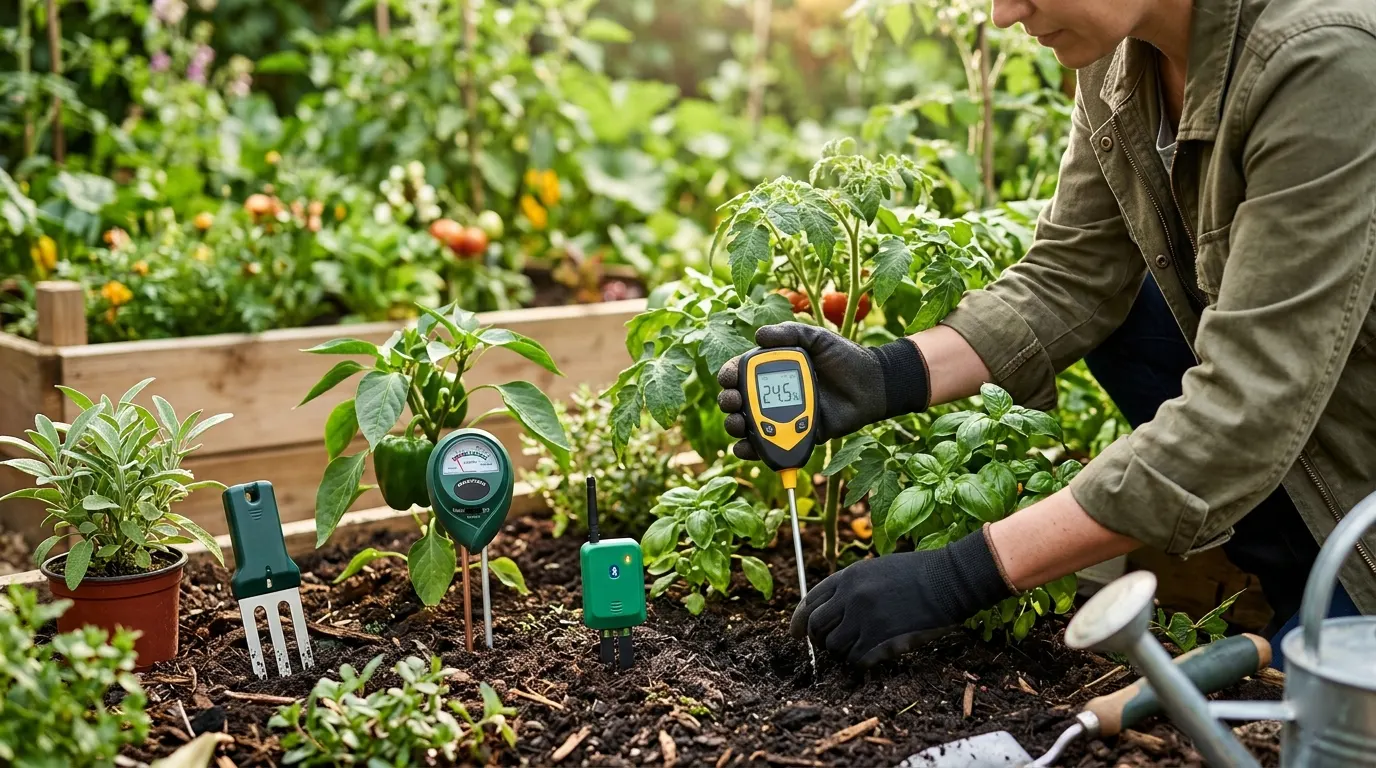
How to use soil sensors to monitor moisture, EC, pH, and temperature. Step-by-step wiring, placement depths, and IoT setup — with 20-40% irrigation savings.
What to look for in an aquaculture monitoring system: sensor types, freshwater vs saltwater ratings, controller features, and the 5 mistakes that cost farms the most.
Exactly where to place DO, pH, ammonia, and ORP sensors in a RAS loop. Includes biofilter crash warning signs and the alarm thresholds that prevent fish kills.
Compare fluorescent vs galvanic DO sensors for freshwater and saltwater fish farming. Which materials, specs, and technology to pick for your setup.
Exact DO, pH, salinity, and ammonia ranges for vannamei and monodon shrimp at every growth stage. Includes sensor placement for pond, inland, and biofloc systems.
Cost-benefit comparison of IoT monitoring vs. manual water testing in fish and shrimp farming. Real numbers on labor savings, mortality, and payback.
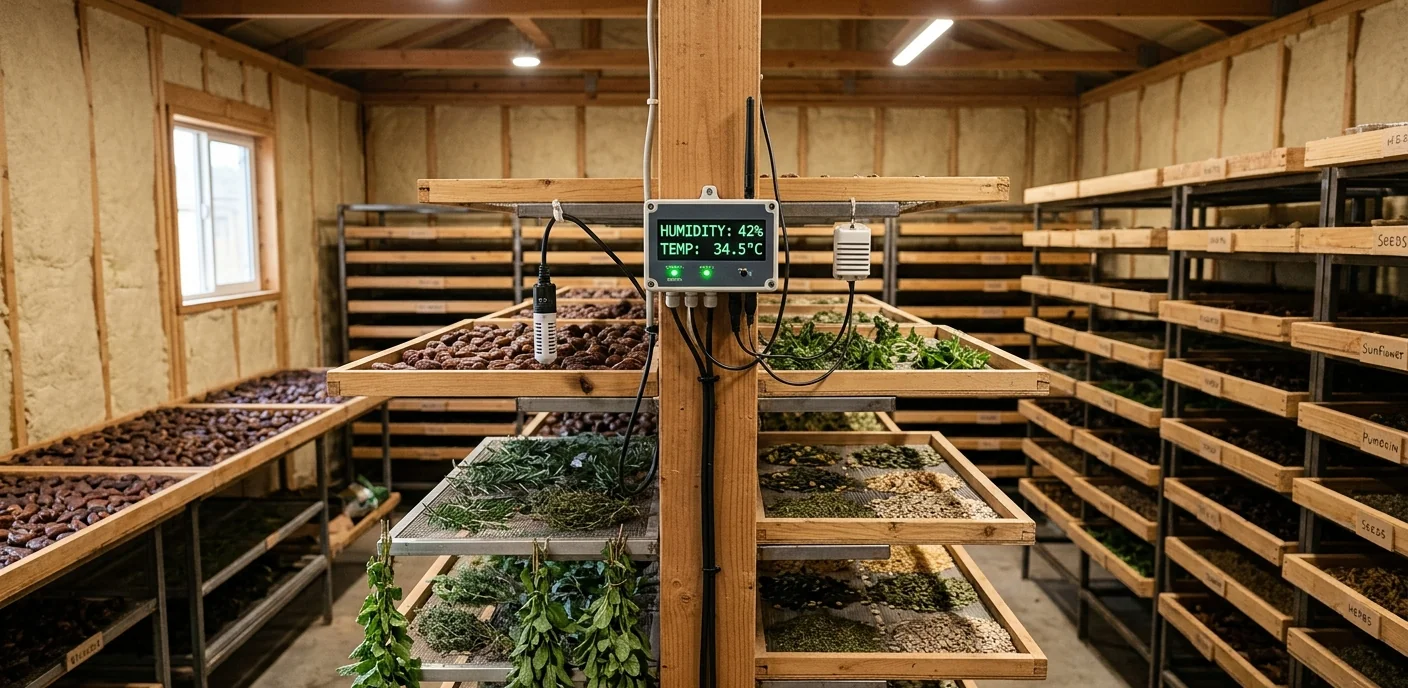
Learn which IoT controller features matter for farming, common mistakes to avoid, and how to match controllers to your farm's real needs.
Side-by-side comparison of SDI-12, Modbus RTU, RS-485, and analog protocols with max cable lengths, wiring costs, and which to pick for your farm or facility.